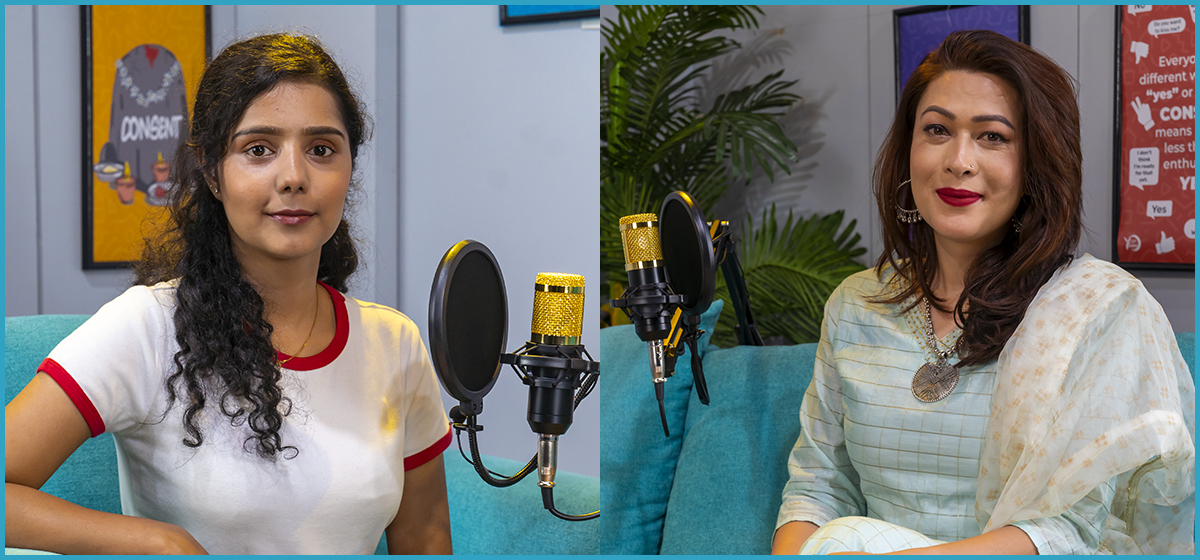
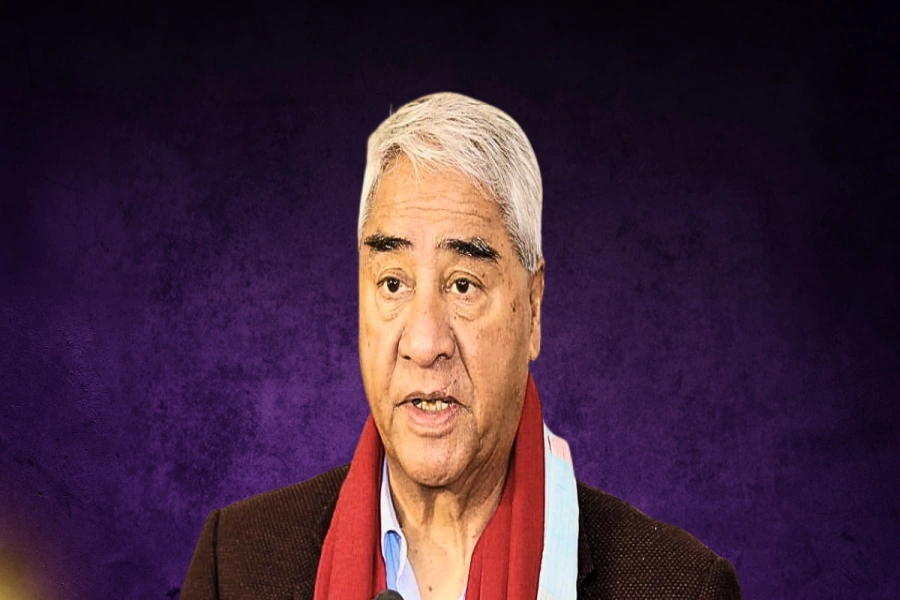
The media does more than report the news. It shapes the way people think, influences social norms, and creates the narratives through which we understand people, events, and society. While the media has always played this role, its influence is greater today than ever before. We go to sleep after consuming information online and wake up checking news and social media on our phones. Media has become an integral part of our daily lives, making it one of the most powerful institutions in shaping public attitudes and behavior.
The media's influence can be seen across many areas of society. In Nepal, for example, menstruation was long treated as a taboo, and in some communities women were isolated during their menstrual periods as part of cultural or religious practices. Years of media reporting, public discussion, and advocacy gradually changed this narrative. Today, menstruation is increasingly recognized as a normal biological process, and menstrual health has become part of the public conversation. Likewise, Chhaupadi, once accepted as a cultural tradition, is now widely recognized as a harmful practice and a violation of women's rights.
A similar shift has taken place in the way domestic violence is understood. In Nepal, there is a saying that conflict between a husband and wife is like a straw fire—it burns quickly and dies out just as quickly. For many years, this belief encouraged people to treat domestic violence as a private family matter. Today, that perception has changed. Domestic violence is increasingly recognized as a crime, a human rights issue, and a matter of public concern. Despite this progress, it remains one of the most common forms of violence against women in Nepal. More than 20,000 cases are reported to the Nepal Police each year, yet the actual number is likely to be much higher, as many survivors continue to suffer in silence without reporting the abuse. These examples demonstrate that the media does more than report events—it has the power to challenge harmful beliefs, reshape public opinion, and inspire social change.
If the media can help transform public attitudes on issues such as menstruation and domestic violence, it can also play a decisive role in changing the narratives surrounding women in politics and leadership. The question is not whether the media has the power to influence social norms—it clearly does. The real question is how that power is used.
Gender, Economic Activity & Equality
From Underrepresentation to Overrepresentation
The Media Seminar on Advancing the Transformation of Gender Social Norms to Enhance Women and Youth Participation and Representation in Leadership and Decision-Making, held in Kigali, Rwanda, from June 30 to July 2, 2026, brought together journalists, media professionals, and gender experts from different countries. Organized by UN Women and International IDEA with support from the European Union, the seminar explored how the media can challenge harmful gender stereotypes, promote women's leadership, and address violence against women in politics.
One of the most thought-provoking ideas came from Rumbidzai Kandawasvika-Nhundu, Principal Advisor of the Democracy and Inclusion/WYDE Women's Leadership Initiative at International IDEA. She challenged participants to rethink the way the media frames the issue of representation. Media stories often focus on the underrepresentation of women, she argued, but rarely question the overrepresentation of men. Instead of asking only why there are so few women in politics and leadership, the media should also ask why men continue to dominate these spaces. The issue is not simply that women are underrepresented; it is also that men remain overrepresented in political and public leadership.
The media has played a significant role in shaping gender-biased narratives over the years. It therefore has an equally important responsibility to challenge those narratives and promote equality. This requires paying attention not only to how many women appear in the news but also to how they are portrayed. The language journalists use, the photographs they choose, the headlines they write, and the way stories are framed all influence public attitudes toward women and leadership. The question, therefore, is not only how much space women receive in the media, but also what kind of coverage they receive.
The seminar also featured valuable sessions led by Mildred Ngesa, Media and Communication Specialist; Pierre Carsana; Winluck Wahiu; and other international experts. They shared practical ideas on how journalism can help transform gender norms, challenge stereotypes, and create a more inclusive media landscape.
Media Narratives About Women in Nepali Politics
The power of the media to shape public narratives is clearly reflected in Nepal's political history. Until 1990, women's political participation received little public attention. The Constitution of 1990 introduced a five percent quota for women, but only for candidacy, not for representation. A major breakthrough came in 2006 when then Member of Parliament Bidya Bhandari tabled a motion in the Interim Parliament calling for 33 percent representation of women at all levels of the state. When the motion was passed, almost every major newspaper carried it as front-page news. The media's positive coverage helped build public support for greater representation of women and contributed to making gender inclusion part of Nepal's political agenda.
However, the media did not always tell the same story. After the 2008 Constituent Assembly election, many women entered Parliament through the proportional representation system. Instead of celebrating this historic achievement, some newspapers published headlines such as "From Wearing Bangles to Parliament," "From Cutting Grass to Parliament," and "From Washing Dishes to Parliament." These headlines implied that women elected through the proportional representation system were less capable or less deserving than others. More than a decade later, that narrative continues to influence public attitudes. Women elected through the proportional system are often viewed as less competent or less legitimate than those elected through direct elections.
Imagine if the media had framed the story differently. Instead of focusing on women's traditional household roles, it could have highlighted that women from marginalized communities had finally gained a voice in Parliament and an opportunity to help shape Nepal's new Constitution. Such reporting would have created a far more positive and empowering narrative.
This example reminds us that the media does much more than report events. It shapes how people understand those events, whose voices are valued, and what society accepts as normal. The narratives created today influence the attitudes, opportunities, and policies of tomorrow. If the media has the power to reinforce inequality, it also has the power—and the responsibility—to promote equality.
The author is a senior journalist, Editor of Ghatana Ra Bichar weekly and Executive Director of the Media Advocacy Group.