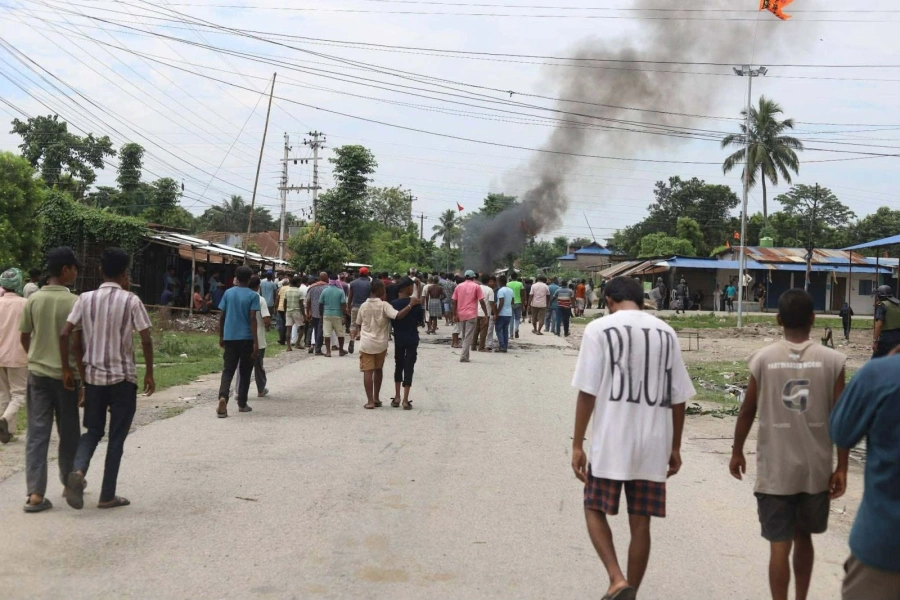
The Sunsari incident is a grim reminder of how quickly a local dispute can spiral into communal violence when tensions are allowed to simmer and authorities fail to respond with sufficient vigilance. The death of a young citizen and injuries to 24 others, including security personnel, in Kaptanganj of Dewanganj Rural Municipality on Sunday night are deeply distressing. The incident must prompt both accountability from the state and restraint from all sections of society. The immediate priority must be to restore calm. The deployment of the Nepali Army along with Nepal Police and Armed Police Force (APF) personnel, imposition of curfew and reshuffling of senior administrative and security officials may help subside the ongoing tension, but administrative measures alone cannot heal the wounds created by the violence. The government must ensure that the injured receive prompt treatment and that the families of those killed receive necessary assistance. More importantly, the government must answer a fundamental question: Why did the situation reach a point where security personnel had to open live fire, resulting in the death of a citizen? According to the authorities, tensions had been building for several days over flags displayed during a Muharram fair before a dispute involving loud music and the vandalism of a vehicle carrying a DJ system triggered violence. Police first used tear gas and warning shots before live ammunition was fired. Seven rounds were reportedly fired by the APF.
Ukraine urges India and Pakistan to exercise restraint, calls f...

Such a sequence demands a thorough examination of whether the authorities adequately assessed the risks, acted early enough and coordinated effectively to prevent the confrontation from escalating. The government has recalled the chief district officer and several senior police and APF officials and formed a five-member investigation committee. These steps are welcome, but transferring officials cannot substitute for accountability. The investigation must be genuinely independent, impartial and credible, and its findings should be made public without delay. If there were failures in intelligence gathering, risk assessment, coordination or the use of force, those responsible must be held accountable. Equally, anyone found to have deliberately incited violence, vandalized property or attacked security personnel must face the law. Yet the responsibility for restoring peace does not rest with the government alone. The events following the initial clash—destruction of shops, burning of tires, confrontation with security personnel and attacks on a police beat—only deepen the crisis. No grievance, however genuine, can justify violence or destruction of public and private property. Protesters and community leaders must understand that such actions risk turning an already tragic incident into a prolonged communal conflict.
This is particularly important because Nepal has long maintained a tradition of social and communal harmony despite its remarkable religious, ethnic and cultural diversity. That harmony cannot be taken for granted. Rumors, provocative statements, inflammatory social media posts and attempts to give a communal colour to isolated disputes can rapidly undermine public trust and deepen divisions. Political parties, community organizations, religious leaders, civil society and the media must therefore act with exceptional responsibility. The government, for its part, must communicate facts transparently and counter misinformation promptly. Political leaders must resist the temptation to exploit the incident for partisan gain. Security agencies must exercise maximum restraint while maintaining law and order. And citizens must reject provocation and allow disputes to be addressed through dialogue and lawful processes. The Sunsari tragedy should not become the beginning of a wider cycle of confrontation. It should instead become a moment for reflection—on the cost of administrative negligence, the dangers of communal polarization and the importance of restraint. At this difficult hour, every side must act responsibly to protect the social harmony that Nepal has painstakingly preserved for generations. The country cannot afford to let one tragic incident tear at that fragile but invaluable social fabric.