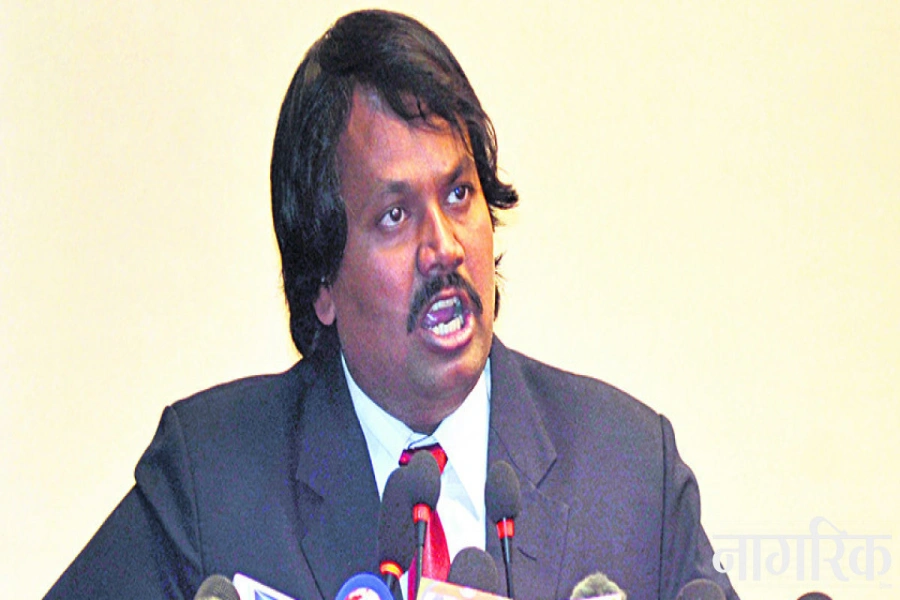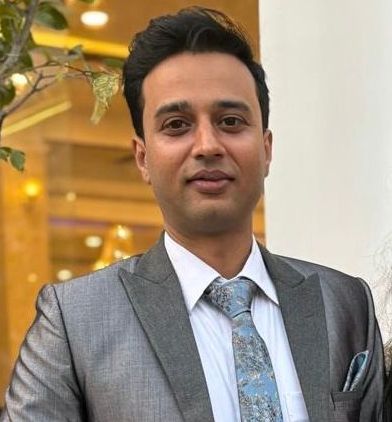
A small but important signal emerged from Kathmandu this week. As Nepal prepares to take its case on climate vulnerability to the United Nations General Assembly, Prime Minister Balendra Shah has signalled that Nepal remains open to U.S. investment. His recent meeting with U.S. Chargé d’Affaires Megan Bouldin also touched on climate-related disasters, tourism and economic cooperation. For those of us working at the intersection of Nepal’s private sector and international economic engagement, this is more than a positive diplomatic signal. It is an opportunity.
Nepal is approaching New York at a consequential moment. We are navigating political and social change while confronting climate vulnerability, natural disasters and economic uncertainty. At the same time, a younger generation is asking for greater opportunity and a more hopeful future.
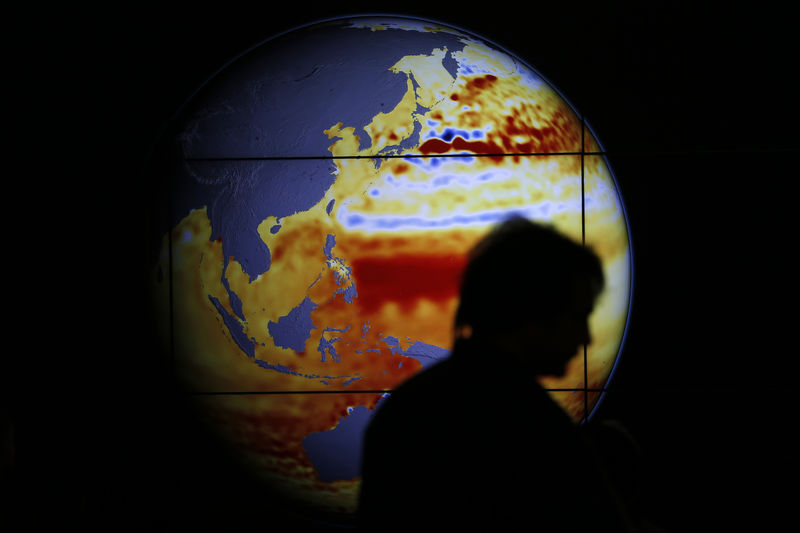
Climate justice will understandably be central to Nepal’s international message. Our mountains, rivers, communities and infrastructure remain exposed to climate and disaster risks, despite Nepal’s relatively small contribution to global emissions. Nepal has every reason to seek greater access to climate finance, technology, scientific cooperation, early-warning systems and resilient infrastructure.
But I believe we should take the conversation one step further.
The question should not only be, “What can the international community do for Nepal?” It should also be, “What can the world build with Nepal?”
For me, this is where climate diplomacy and economic diplomacy meet.
Disaster recovery cannot end with reconstruction. Humanitarian assistance is essential when lives and livelihoods are at risk, but long-term resilience requires investment, technology, productive capacity, employment and access to markets.
Recent disasters have also exposed a less visible challenge: vulnerability can be embedded in the way we develop. Unplanned settlements, inadequate risk assessment and infrastructure that does not sufficiently account for climate and geological risks can turn natural hazards into human disasters. Nepal needs to assess where vulnerability is accumulating and work with international partners on risk mapping, resilient urban planning and preventive investment.
SHIFT for Our Planet: Youths urge authorities to make climate j...

This should not be seen only as a call for assistance. It is also an investment opportunity.
Nepal could develop a credible pipeline of climate-resilient projects in areas such as early-warning systems, river and glacier monitoring, telecommunications, resilient infrastructure and emergency preparedness. International capital and technology could then participate not simply in rebuilding Nepal, but in helping build a safer and more productive country.
There is an equally compelling opportunity in connecting Nepal’s renewable-energy potential with the global digital economy. Our hydropower resources, combined with growing demand for data centres, artificial intelligence and digital services, deserve serious exploration. This is not simply an AI proposition. It is about connecting Nepal’s energy, talent and entrepreneurship with industries that are shaping the global economy.
The same approach can extend to tourism, agriculture and food processing, healthcare technology, manufacturing, logistics and digital services. Nepal does not need to identify one winning sector. We need an economy in which multiple sectors can connect us to global markets.
This, to me, is the real purpose of economic diplomacy.
Diplomacy should not end with a successful meeting or a statement of goodwill. Its value is ultimately realised when relationships create opportunities for businesses, investors, entrepreneurs and communities to work together.
This is why the Prime Minister’s message welcoming American investment matters. Nepal does not have to choose one economic relationship over another. Our diplomacy should remain open, diversified and complementary. Stronger engagement with the United States should complement our relationships with India, China and other partners.
The opportunity with the United States is particularly relevant because the relationship can connect Nepal with capital, technology, expertise and global markets. Nepal, in turn, can offer energy potential, talent, entrepreneurship, tourism and an emerging digital economy. The proposition should therefore be one of mutual value, not assistance alone.
The American Chamber of Commerce in Nepal can help bridge some of these conversations, but the larger responsibility belongs to Nepal itself. From my experience working around the private sector, I have come to believe that goodwill alone does not create investment. Investors need clarity, predictability, credible projects and confidence that commitments can be implemented.
If Nepal wants to convert international interest into long-term partnerships, domestic reform must accompany diplomatic outreach. Clear procedures, time-bound approvals, stronger project preparation and a predictable regulatory environment are not merely investor-friendly measures; they are instruments of economic diplomacy.
The test of economic diplomacy is therefore not how many meetings we hold. It is whether those relationships eventually create investment, technology, markets, skills and jobs.
A Nepali farmer reaching an international market, a software engineer serving a global client, an American company investing in a Nepali enterprise, or an investor participating in Nepal’s renewable-energy economy are all part of the same story. Commerce creates relationships that can endure beyond political cycles. Investment creates long-term stakes. Technology creates capacity. Jobs create opportunity. And opportunity creates resilience.
This is why I believe Nepal should approach disaster recovery through both a humanitarian and an economic lens. We must respond to immediate needs, but we should also ask how recovery can create stronger communities, better infrastructure, new businesses and lasting employment.
Nepal should continue to speak firmly about climate justice in New York. But alongside that message, we can offer the world a proposition for partnership.
Not simply, “Come and help us rebuild.”
But, “Come and build with us.”
For me, that is the spirit of economic diplomacy: turning international goodwill into shared opportunity and connecting Nepal’s needs with the capabilities of its partners.
The Prime Minister has opened an important door by signalling that Nepal welcomes American investment. Our task now is to put credible projects, stronger institutions and a more predictable investment environment on the other side of it.
As Nepal engages the world in New York, perhaps our strongest economic message is not only what the world can do for Nepal, but what Nepal and its partners can accomplish together.
From climate justice to climate investment. From recovery to resilience. From assistance to partnership. From diplomacy to commerce.
Come and build with us.