KATHMANDU, May 27: Nepal Gen Z Front coordinator Rakshya Bam has urged the government not to criminalise the Gen Z movement, warning that continued arrests of protesters could deepen public resentment.
She said youths were being detained simply for participating in the movement and were facing charges without evidence, while citizens raising questions were being treated as criminals.
The Gen Z Movement Detainee Victims’ Parents Committee Nepal has also demanded the immediate release of those arrested during the protests, withdrawal of cases, and full implementation of a 10-point agreement signed with the government.
People's representative on hunger strike demanding electricity
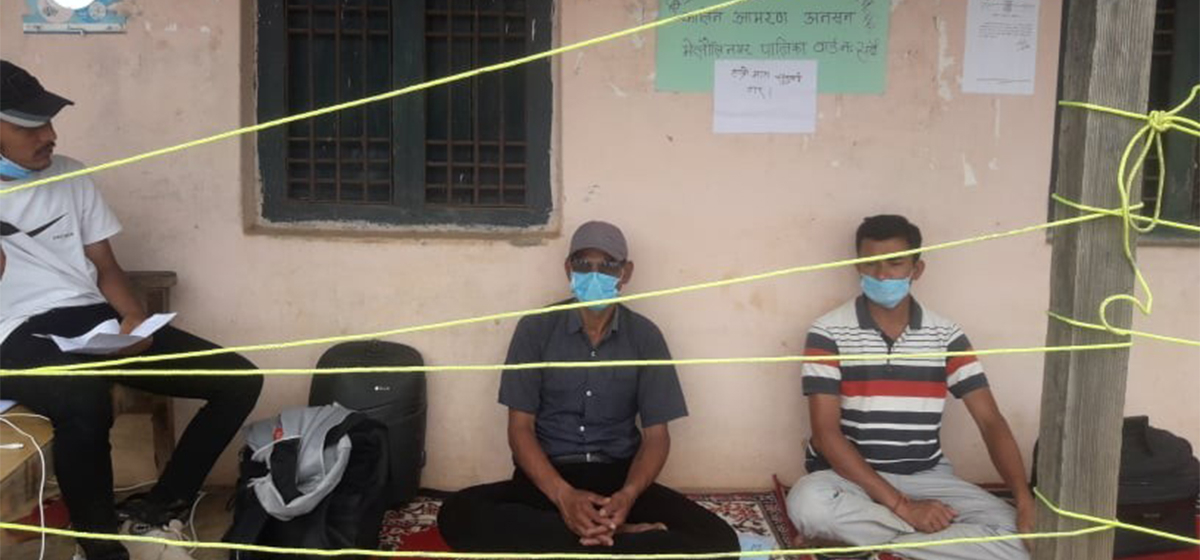
In a statement on Tuesday, the committee warned that it would launch intensified peaceful protests, including an indefinite hunger strike at Maitighar Mandala, if its demands are not met by May 29 (Republic Day).
Bam, writing on social media, warned that unresolved grievances among detained youths could trigger stronger backlash in the future. She said many detainees were teenagers or young adults, some the sole support of their families, and urged authorities to act sensitively.
She also reminded lawmakers elected with the support of the Gen Z movement that addressing the issue of detainees remained a key responsibility.
The committee alleged that protests on September 8 and 9 against corruption, nepotism, favoritism, and poor governance were met with excessive use of force, resulting in 76 deaths, while hundreds were detained and more than 900 cases were filed.
It further said that although a 10-point agreement signed at the Prime Minister’s Office on December 10 was published in the government gazette, its provision on releasing innocent detainees within 15 days and withdrawing cases has not been implemented.
The committee said detainees—including students, youths, women, and minors—have been suffering mental stress and health problems, while families are facing financial and social hardship.
It has submitted a six-point demand to multiple state bodies, including the Ministry of Home Affairs and the Prime Minister’s Office, calling for unconditional release of detainees, withdrawal of cases, implementation of the agreement, monitoring of detainees’ health and legal access, protection of women and minors, and relief support for affected families.






-1779842101.webp)