

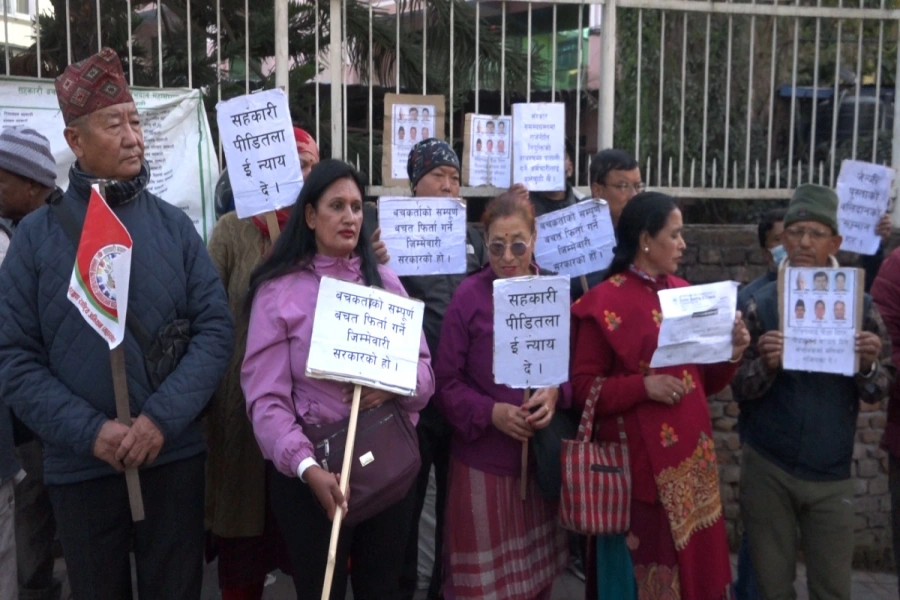
KATHMANDU, May 6: The government is set to start refunding deposits of members affected by problematic cooperatives from the third week of May, offering long-awaited relief to thousands who have been waiting for their money for over two decades.
The Problematic Cooperatives Management Committee (PCMC) has completed preparations to initiate the refund process, prioritizing small-scale depositors in the first phase. According to the committee’s assessment, around Rs 46 billion in deposits belonging to approximately 76,000 customers need to be reimbursed. Of these, 18,000 are classified as large depositors with savings above Rs 500,000, while the majority fall under the small-scale category.
Problematic cooperatives ordered to clear liabilities within 15...

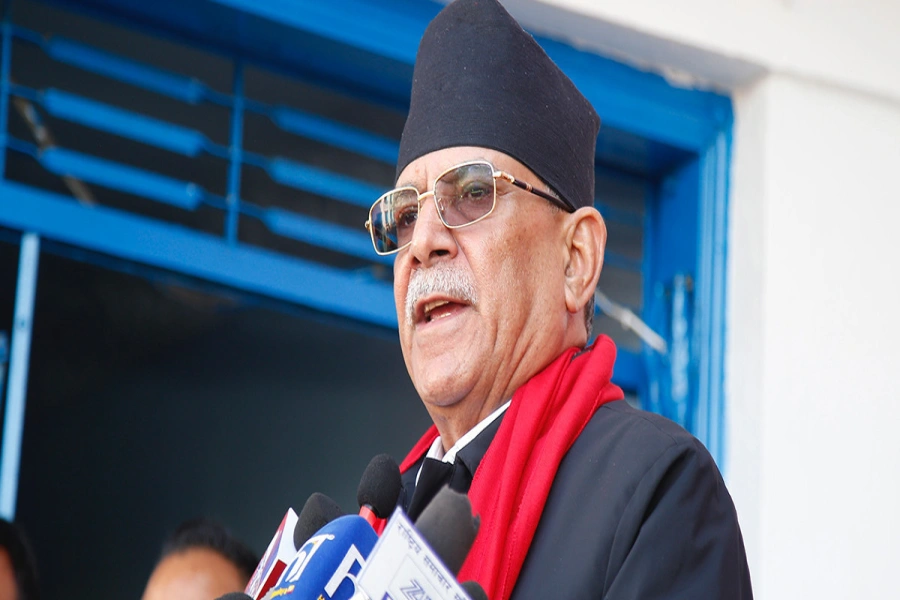
Minister for Land Management, Cooperatives and Poverty Alleviation, Pratibha Rawal, confirmed that most of the groundwork has been finalized and the refund process will begin soon. “Small-scale depositors will be given priority in the initial phase,” she said.
The PCMC has also outlined procedures for loan recovery alongside deposit refunds. Those who miss the initial phase will be able to reclaim their deposits starting in the third week of July.
To ensure adequate funds, the government has established a revolving fund, which currently includes Rs 260 million borrowed from the government and Rs 600 million recovered from loan dues. Additional resources will come from grants, auction sales of assets belonging to cooperative directors and managers, and amounts recovered from individuals convicted of embezzlement.
The Ministry of Land Management, Cooperatives and Poverty Alleviation has declared 20 cooperatives problematic and placed them under PCMC’s jurisdiction for asset management and liability settlement. On April 23, the PCMC issued a public notice directing directors, managers, employees, and guarantors of these cooperatives to repay outstanding loans within 15 days.
The committee has warned of strict legal action against defaulters who fail to comply. Their names will be made public, assets and accounts frozen, and they will be barred from accessing public services. “We will be implementing tough policies in accordance with the law to recover loans,” said PCMC member secretary Rabin Dhakal.







-1782782519.webp)


