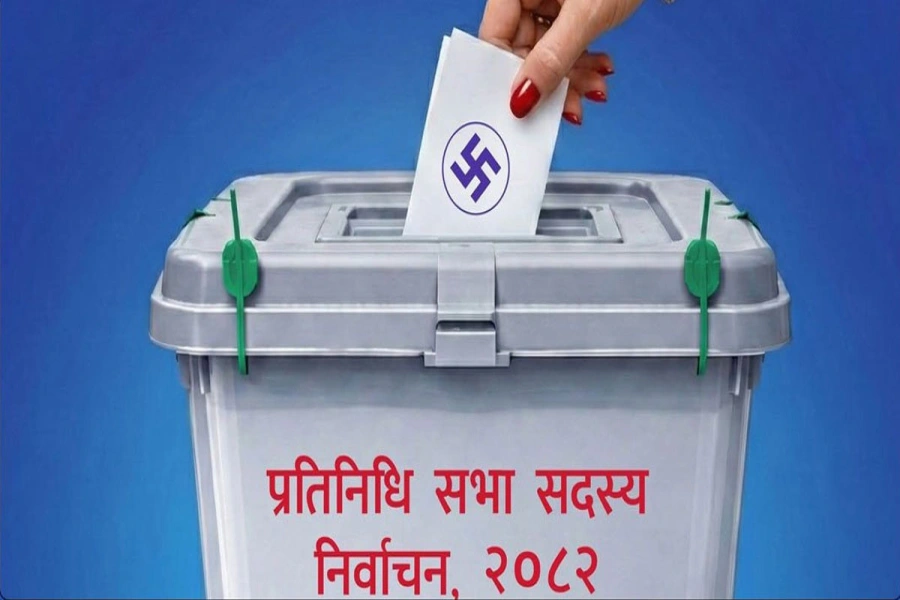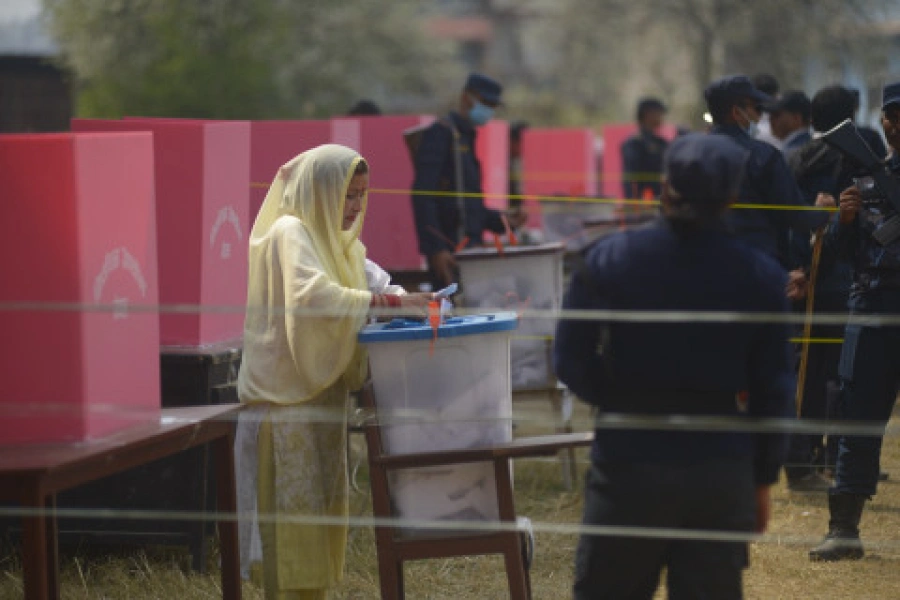
KATHMANDU, June 26: Despite spending substantially more money on election campaigning, many candidates failed to secure victory in the March 5 House of Representatives elections, according to a recent study that also found widespread breaches of legal spending limits.
The study conducted by the Election Observation Committee (EOC) found that candidates who lost the election spent nearly three times more on campaigning than those who secured victory, raising concerns over transparency of campaign finance.
The study, which examined the expenditures of 144 candidates from 10 constituencies out of a total of 3,406 contestants, showed that winning candidates spent an average of Rs 8.8 million during the campaign. In contrast, runners-up spent an average of Rs 28.3 million—more than three times the amount spent by successful candidates.
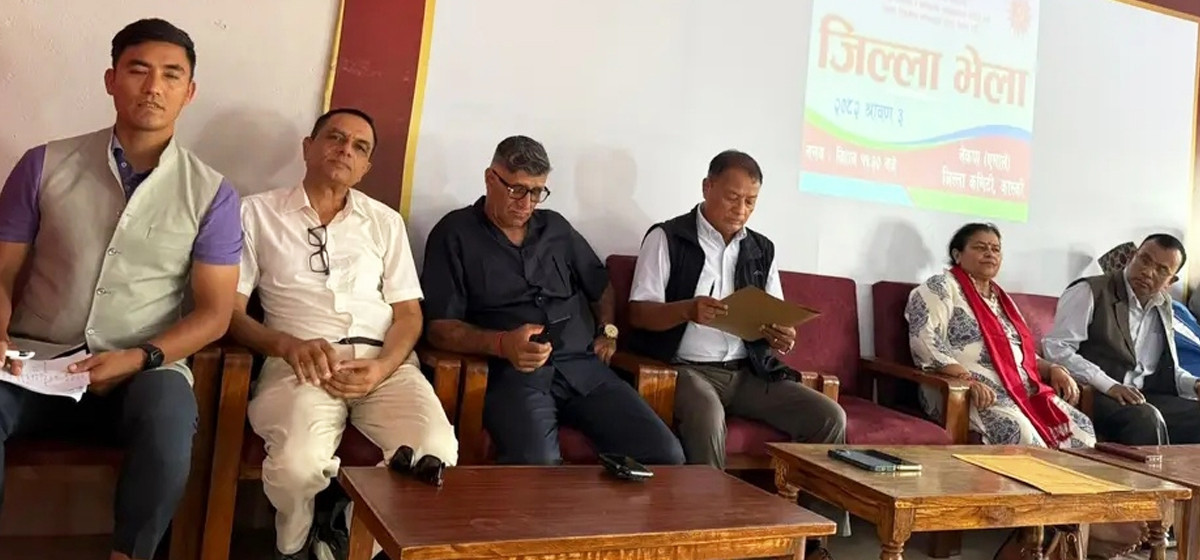
According to EOC Chair Shreekrishna Subedi, defeated candidates accounted for roughly 67 percent of total election spending among the sampled candidates.
Poll expenditure of losing candidates in Gulmi more than that o...

The findings also point to widespread violations of spending limits set by the Election Commission. While candidates contesting under the first-past-the-post (FPTP) system were allowed to spend between Rs 2.5 million and Rs 3.3 million depending on constituency geography, the study found average campaign expenditure reached Rs 7.2 million, exceeding the legal ceiling by 118 percent. Under the proportional representation (PR) system, the spending limit for candidates was set at around Rs 200,000.
The report suggests that election campaigning is increasingly shifting away from traditional activities such as rallies, banners and public feasts toward less visible channels, including social media platforms, digital advertising and informal networks.
According to the study, these forms of “invisible spending” have made monitoring more difficult and exposed shortcomings in existing legal and regulatory mechanisms designed to curb misinformation, smear campaigns and character assassination.
A preliminary joint election observation report released after the elections had similarly highlighted the growing role of digital campaigning and the lack of transparency surrounding related expenditures. It noted rising demand for social media managers, content creators and digital campaign services, costs that are often absent from official spending disclosures. The report also highlights the growing reliance on digital campaigning as a challenge to maintaining transparency in election spending.
The latest study found that 82 percent of total campaign expenditure occurred during the official campaign period, while another 4 percent was spent on the election day itself despite restrictions on campaign activities.
The report warns that the gap between legal spending limits and actual expenditure could undermine electoral fairness by favouring candidates with greater financial resources and stronger donor networks.
To improve transparency and accountability, EOC has recommended mandatory public disclosure of candidates' income sources, technology-based monitoring systems to detect digital violations and the deployment of active monitoring teams by the Election Commission to enforce the election code of conduct.
It has also called for a more practical implementation of the requirement for separate bank accounts for campaign spending and proposed public auditing as an additional mechanism to strengthen oversight of election finances.
The EC had collaborated with social media platforms such as Meta and TikTok to monitor digital campaigning. It also used specialized software to track social media and digital content with technical support from the United Nations Development Programme and The Asia Foundation.
Despite these efforts, advertising expenses on social media remained largely opaque, said EOC Nepal Chair Shrikrishna Subedi.