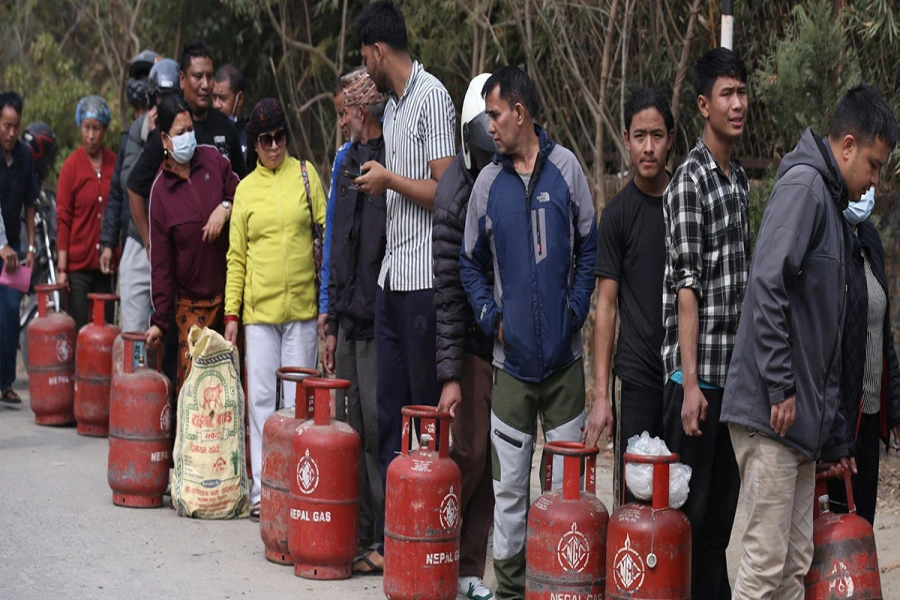
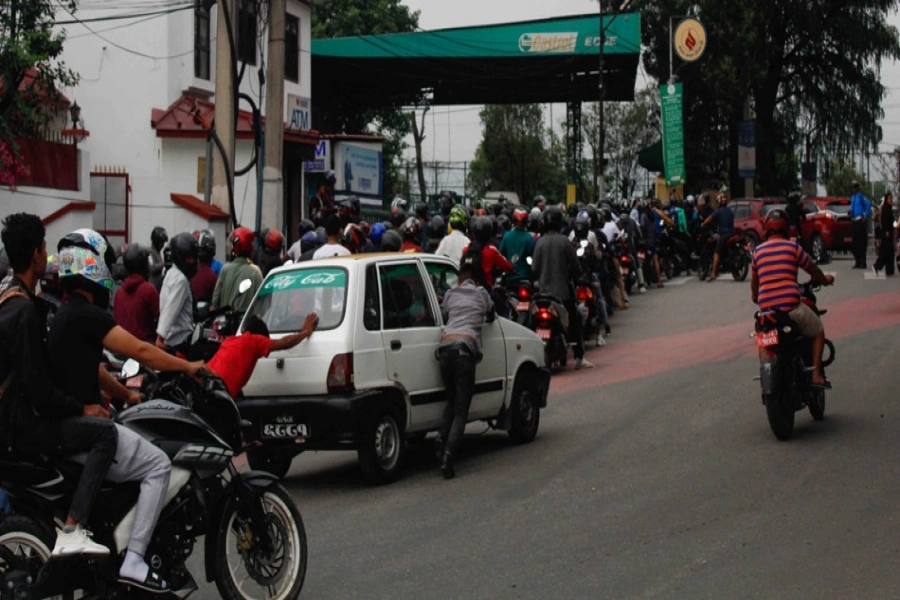
KATHMANDU, July 15: Nepal Oil Corporation (NOC) has permitted bottlers plants to sell fully filled liquefied petroleum gas (LPG) cylinders nationwide from Wednesday.
Issuing a press statement on Tuesday, the NOC announced that it would be resuming the nationwide distribution of full 14.2 kg cooking gas cylinders from July 15, ending the temporary practice of supplying half-filled cylinders introduced earlier.
After the US-Iran war broke out, the state-owned oil monopoly had ordered the gas bottling companies to sell only half-filled cylinder (7.1 kg) of LPG to rationalize the distribution citing the possible crisis of the cooking gas. LPG bottlers, however, have been pressing the NOC to resume gas distribution in its original modality, raising concerns that the government's half-filled cylinder policy created major industry hardships, doubling their operational, transportation, and processing costs while leaving gas stocks idle in recent days.
NOC cuts cooking gas price Rs 25 per cylinder

As per the LPG entrepreneurs, the provision of half-filled cylinders just made them face an additional cost of nearly Rs 680 million per month.
The NOC stated that the decision came to effect with improvements in LPG loading at various bottling plants and refineries operated by Indian Oil Corporation (IOC), as well as high consumer demand for fully-filled cylinders. The retail price of the 14.2 kg of gas has been fixed at Rs 2,060 per cylinder across the country.
The NOC had introduced the temporary distribution of 7.1 kg LPG per cylinder from March 13, 2026, in response to supply constraints and to ensure equitable distribution among consumers during the shortage. The corporation said that both 7.1 kg and 14.2 kg cylinders may remain available in the market for a short transition period until the half-filled cylinders are fully phased out.
The NOC urged the consumers to verify the cylinder's weight and price before purchasing. Likewise, the corporation has requested consumers to purchase only the amount of LP gas they require and to refrain from unnecessary stockpiling.