Dear Balendra Shah,
I am a Nepali daughter living abroad. I am 15 years old, born in the United Kingdom. I am writing on behalf of someone who has grown up thousands of miles away from Nepal, yet has never felt distant from it. My letter refers to the proposed NRN Act, which includes the phrase: “shall not be treated as equal to Nepali citizens.”
My parents were born in Nepal. I speak English at school but Nepali at home. I also listen to stories of my grandparents’ villages, festivals, and sacrifices. Nepal is not just my “origin”—it is part of who I am. It will forever be my identity, culture, and root.
I have been raised with a strong sense of duty to contribute meaningfully to Nepal when I am able to do so and to serve both nations I call home. Over the past three years, I have actively worked towards fulfilling this responsibility and remain committed to continuing this effort. My focus has been on supporting some of the most vulnerable groups in Nepal, particularly street animals and underprivileged children. I have contributed to shelters and children’s homes across multiple regions, including Kathmandu, Sarlahi, and Baglung. Looking ahead, I intend to pursue a career in medicine, with the goal of serving the people of Nepal and giving back in a meaningful and sustained way, much like many members of the Nepali diaspora who continue to support the nation from abroad.
Your own journey reflects the path many of us hope to follow—you pursued education abroad in India and later returned with the skills and vision to serve Nepal at the highest level. That example inspires us. But it also raises an important question: what about those who are already walking that path today? Are they any less Nepali simply because they live beyond Nepal’s borders?
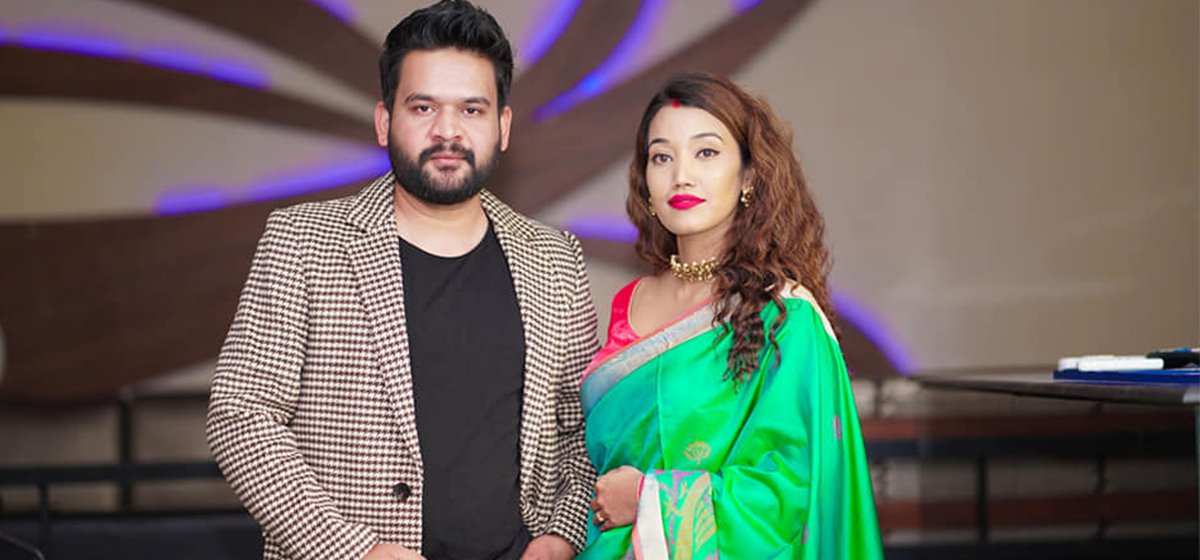
Kathmandu’s new Mayor Balen Shah’s wife says - “From my Balen,...
For decades, generations of Nepalis have gone abroad in search of education and opportunity—not out of abandonment, but out of commitment. They work tirelessly to support families back home, contribute to Nepal’s economy, and prepare the next generation to serve the nation. In doing so, they ensure that their children, even when raised abroad, grow up with a strong sense of Nepali identity, values, and responsibility.
We have always been told that we hold rights in Nepal—economic, social, and cultural. However, I recently heard that these rights are now limited, unclear, or inaccessible. Nepal’s system appears to be rejecting not only me but all non-resident Nepalis across the world. This is how many of us feel about the proposed NRN Act currently before Parliament. A line in the bill has deeply shocked us: “Shall not be treated as equal to Nepali citizens.”
Prime Minister, do you understand what that sentence means to us? It suggests that the government is willing to accept our donations, investments, taxes, and commitment to the country, but not accept us as equals or allow our voices to be heard. Do I need citizenship to call myself Nepali? This feels unjust to our parents and others like them who were born and raised in Nepal but are now no longer treated as equal to their own people.
During my journey from Kathmandu to Dhangadhi, I was stopped at the airport. The reason was that my ticket had been issued in Nepali rupees, but I could not present a valid Nepali identity document. At that time, I was only 13 years old. In my own country, on my own journey, I was treated as if I did not belong.
Even today, that moment remains deeply disheartening. Eventually, I had to purchase a new ticket in US dollars and pay almost double the fare compared to other Nepali passengers just to continue my journey. At that moment, a question kept echoing in my mind: should I be deprived of my identity, culture, and heritage? Ultimately, this is discriminatory.
I want to see Nepal smiling—a sentiment you yourself have expressed. The next generation of NRNs is determined to carry forward the legacy of our parents, who have worked tirelessly to support their families and remain connected to Nepal. A 50% tax on their property does not only affect assets; it diminishes years of sacrifice, effort, and commitment. We look to your leadership to bring meaningful change and demonstrate dedication to all Nepalis, including those living abroad. Identity is not defined by geography: once a Nepali, always a Nepali. No Act can take that away.
Therefore, respected Prime Minister, this is not merely a complaint but a heartfelt appeal to rethink and rewrite the NRN Act.
We need policies that connect us, not divide us.
We need a Nepal that welcomes us, not one that restricts us.
We are not tourists; we are the future of Nepal.
Once again, we wish to remain Nepali forever. We want Nepal and Nepalis to remain happy. We want to be part of Nepal’s future.
Nepal is not just a place. It is a people living across the world too. The question is: will Nepal embrace them or slowly lose them?
With respect and sincerity,
A Nepali daughter living abroad




-1200x560-1781083488.webp)