Your Excellency,
Happy New Year 2083 BS!
First of all, the undersigned would like to take this opportunity to congratulate you on your appointment as Prime Minister of Nepal. We hope and trust that the new government led by you will be able to fulfil the aspirations of the Nepali people, ensure peace and prosperity, and raise Nepal’s standing among the comity of nations.
On behalf of the Global Campaign for the Release of Political Prisoners in Bhutan (GCRPPB), based in The Hague, and the Bhutan Independent Peoples’ Forum (BIPF), based in the Bhutanese refugee camp in Beldangi, Jhapa, Nepal, we urge action on two unresolved issues: the protracted Bhutanese refugee crisis in Nepal and the continued detention of mostly Nepali-speaking Bhutanese political prisoners in Bhutan. These matters demand renewed diplomatic engagement, principled leadership, and a rights-based approach grounded in international law and humanitarian values.
Bhutanese Refugee Crisis and the Imperative of Durable Solutions
Since the late 1980s and early 1990s, tens of thousands of mostly Nepali-speaking Bhutanese—often referred to as Lhotshampas—were forced to flee southern Bhutan. Discriminatory and restrictive citizenship laws and policies were the main reasons for this displacement. This mass exodus led to the establishment of refugee camps in eastern Nepal. India, as the immediate neighbour, denied them asylum and pushed them into Nepal. Over 100,000 displaced Bhutanese citizens took shelter in seven refugee camps managed by the United Nations High Commissioner for Refugees (UNHCR).
Despite more than 15 rounds of talks between Nepal and Bhutan, a sustainable solution remains elusive. Previous frameworks, including Nepal’s acceptance of proposals to categorise refugees into four groups, have been criticised for undermining equal rights.
When no durable solution could be reached, UNHCR, together with core resettlement countries such as the United States, United Kingdom, Canada, Australia, New Zealand, Denmark, Norway, the Netherlands, and others, facilitated the resettlement of more than 100,000 individuals between 2007 and 2016. However, around 6,000–7,000 people still remain in the camps, many of whom continue to hope to return to Bhutan.
UNHCR reports that these remaining refugees now receive no humanitarian assistance and have limited livelihood opportunities. Their future remains uncertain. With support discontinued, vulnerability and socio-economic hardship in the camps have increased.
Protest staged at ICJ headquarters in Hague demanding release o...

International guidelines state that durable solutions must be voluntary and must ensure basic rights. Repatriation is a right and must be backed by guarantees of citizenship, dignity, and security. It is crucial to maintain basic protections—including identity documentation, healthcare, education, and livelihoods—for refugees awaiting long-term solutions.
Bhutanese Political Prisoners: A Continuing Human Rights Concern
Alongside the refugee crisis, many Bhutanese human rights activists have been detained for decades due to their peaceful advocacy for human rights and justice inside Bhutan. Reports by several international human rights organisations indicate that these individuals remain imprisoned without due process.
Many political prisoners have families in Nepal’s refugee camps, who have waited for years—often decades—for reunification with their loved ones, making this a critical humanitarian concern.
Before COVID-19, limited family contact was maintained through the International Committee of the Red Cross (ICRC). Since then, this contact has been suspended, further increasing the hardship faced by families.
Recent releases, such as Madhukar Mongar after 29 years in 2023 and Ram Bahadur Rai after 32 years in 2024, indicate some progress but also highlight remaining gaps.
While these releases are welcome, both individuals were reportedly deported to India immediately upon release rather than being allowed a dignified return or structured family reunification. From India, they subsequently reached refugee camps in Nepal, where they now reside among displaced populations.
They currently lack refugee documentation, limiting access to basic services and leaving them vulnerable despite their release. Release alone is not sufficient; reintegration support is essential to prevent renewed marginalisation.
A Critical Moment for Leadership and Diplomatic Engagement
Bhutan has previously cited political instability in Nepal as a barrier to dialogue, but Nepal’s current stability presents an opportunity for renewed leadership and resolution.
We respectfully urge your government to:
1. Lead renewed bilateral dialogue with Bhutan, ensuring voluntary and dignified repatriation aligned with refugees’ wishes and meaningful participation;
2. Guarantee continuous access to essential services and identity documentation for refugees and recently released former political prisoners residing in camps;
3. Consistently raise the issue of Bhutanese political prisoners in diplomatic engagements, advocating for fair review, humane treatment, restored family contact, and eventual release;
4. Facilitate family reunification and restore humanitarian access, engaging relevant neutral international organisations where necessary;
5. Collaborate with regional and international partners to ensure a coordinated rights-based approach;
6. Uphold transparency and accountability throughout the process to rebuild trust and ensure just outcomes.
Conclusion
Under your leadership, Nepal has the opportunity to contribute to the resolution of these long-standing humanitarian challenges. A principled approach will restore dignity and reaffirm Nepal’s commitment to human rights.
Resolving these issues is both a humanitarian and moral imperative, offering a chance to correct historical injustices and uphold the dignity of Nepali-speaking Bhutanese.
We look forward to working closely with your government in advancing a resolution to these issues, sharing responsibility and commitment to humanitarian values.
Respectfully,
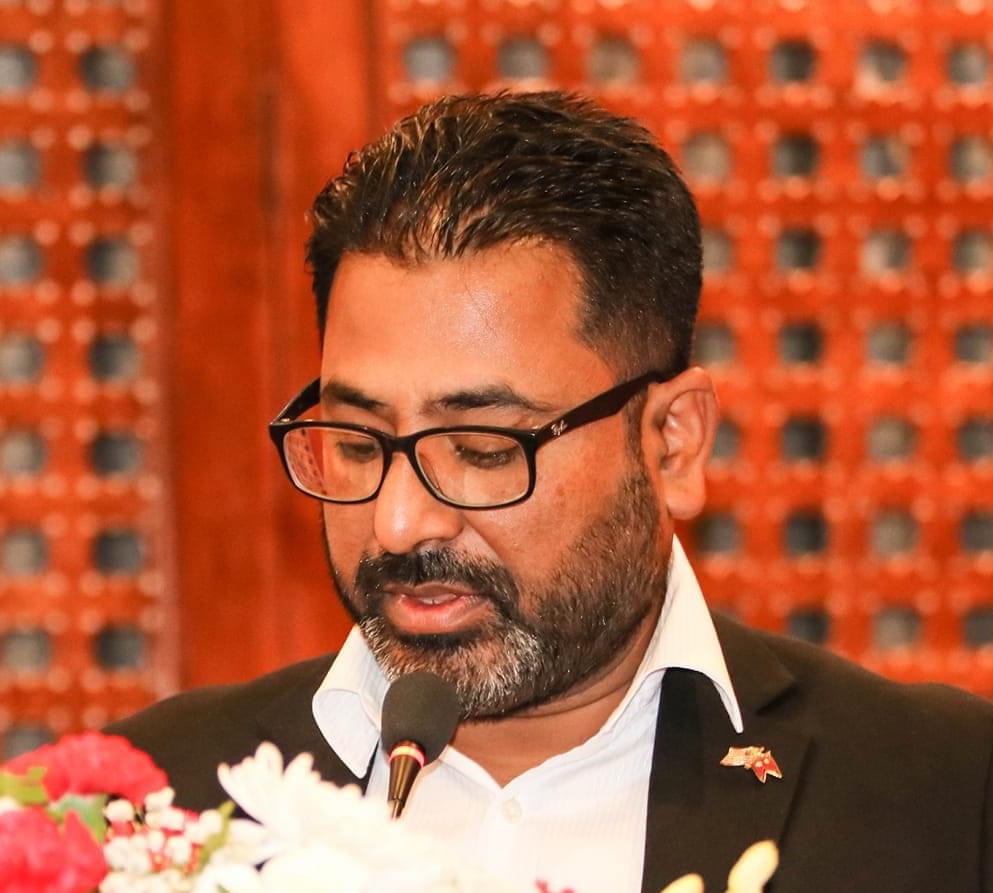
Ram Karki
Founder and Global Coordinator
Global Campaign for the Release of Political Prisoners in Bhutan (GCRPPB)
The Hague
www.gcrppb.org
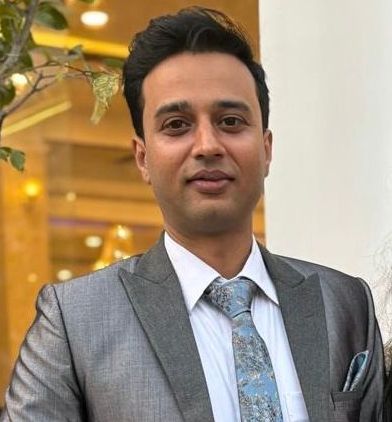
DB Subba
General Secretary
Bhutan Independent Peoples Forum (BIPF)
Bhutanese Refugee Camp, Beldangi, Jhapa, Nepal


_20240829165847.jpg)
_20240223165902.jpg)

-1765447895.webp)