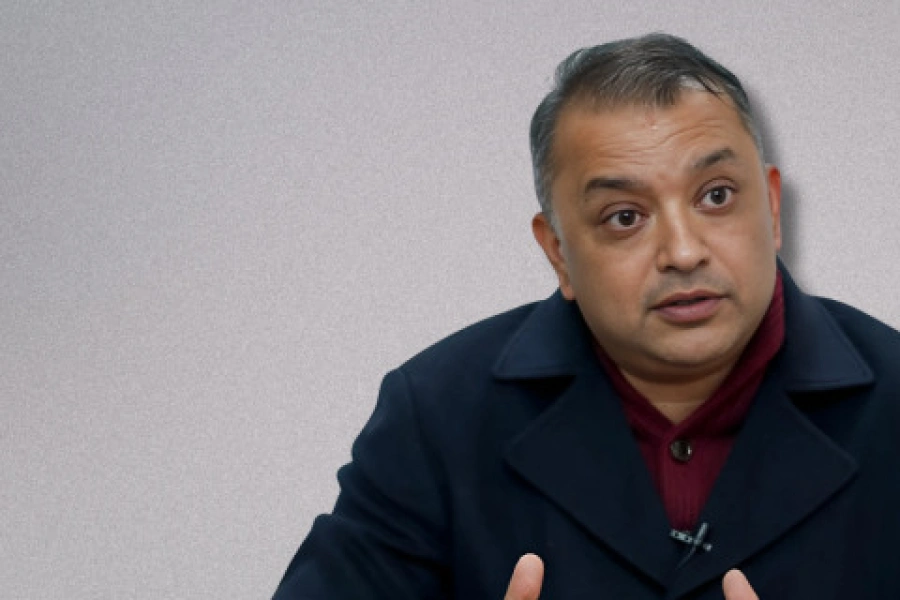
KATHMANDU, Sept 23: Prime Minister Balendra Shah left for New York on Tuesday to attend the 81st session of the United Nations General Assembly, with the devastating Bhotekoshi flood and Nepal’s demand for climate justice set to dominate his brief mission.
Shah departed Kathmandu on Tuesday evening aboard a Qatar Airways flight via Doha, leading a Nepali delegation to the high-level week of the UN General Assembly. He is scheduled to address the General Debate on September 24 and meet UN Secretary-General António Guterres during his stay.
The prime minister’s decision to attend the UNGA came after the government had initially planned to send only Foreign Minister Shishir Khanal to New York. The August 26 Bhotekoshi disaster, however, prompted the government to revise the plan and send Shah himself to present Nepal’s case at the highest political level.
The disaster has become the defining issue of Nepal’s international engagement at the UN this year. According to the latest government figures available before Shah’s departure, 1,451 people had been reported dead and 5,705 remained missing following the flood and landslides triggered on August 26.
SHIFT for Our Planet: Youths urge authorities to make climate j...

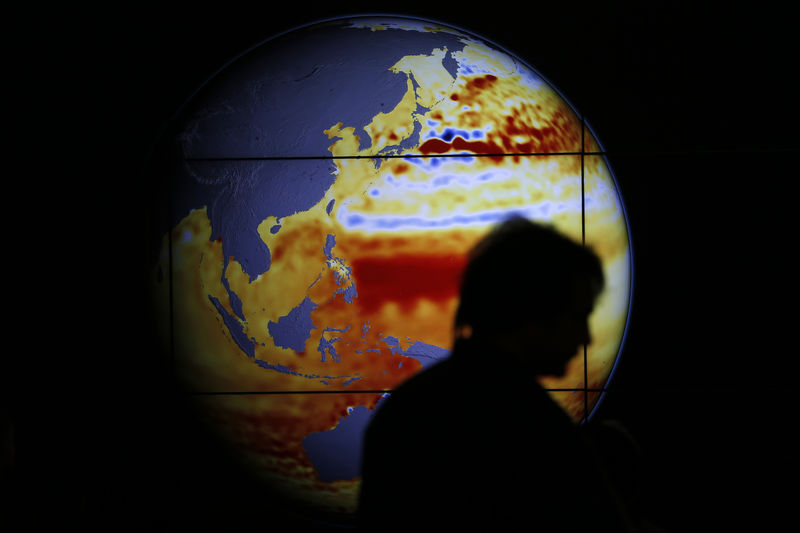
Shah is expected to use his UN address to highlight Nepal’s disproportionate vulnerability to climate change and seek greater international support for recovery, climate adaptation and measures to address loss and damage.
Nepal has been preparing to make a case for climate justice, including access to international financing through the Loss and Damage Fund. Shah is also expected to argue that countries such as Nepal, despite contributing little to global emissions, are bearing the consequences of increasingly severe climate-related disasters.
The Bhotekoshi disaster has added urgency to that argument. The catastrophe followed earlier warnings about the growing risks posed by melting glaciers and unstable mountain environments in the Himalayas. The UN Secretary-General himself highlighted the dangers during his October 2023 visit to Nepal, when Guterres travelled to the Everest and Annapurna regions and warned of the rapid melting of glaciers.
Nepal is expected to draw a direct link between those warnings and the disasters it has experienced since then. A glacial lake outburst flood struck Thame in the Everest region in 2024, while the Bhotekoshi disaster has now caused a far larger loss of life and widespread damage to infrastructure and communities.
Shah is also expected to seek international support for reconstruction and climate resilience, including financing, technology transfer and greater international cooperation. Reports ahead of his departure said Nepal was preparing to push these issues alongside its broader climate agenda.
Nepal is also preparing to propose greater cooperation with China and India to reduce risks from glaciers and glacial hazards in the Tibetan region, including through a trilateral dialogue and improved sharing of information and expertise.
Shah’s schedule in New York has been kept short. He is scheduled to arrive in New York on Wednesday after travelling through Doha. He will receive a briefing from senior Nepali diplomats and officials at Nepal’s Permanent Mission to the UN before attending a reception hosted in his honour.
On September 24, Shah will meet Guterres before addressing the UN General Assembly. His meeting with the UN chief will provide an opportunity for Nepal to press its concerns over the impact of climate change and the international response to the Bhotekoshi disaster.
Foreign Minister Shishir Khanal has already reached New York and is participating in ministerial-level meetings, side events and other high-level engagements. Unlike Shah’s tightly scheduled visit, Khanal is also holding bilateral meetings with foreign counterparts and other dignitaries.
Shah is scheduled to leave New York for Doha on September 25 and return to Kathmandu on September 26.
The prime minister’s shortened UN mission comes as Nepal seeks to turn the latest Himalayan disaster into a stronger international case for climate finance and loss-and-damage support, while also calling for greater cooperation to reduce the risks posed by a rapidly changing mountain environment.