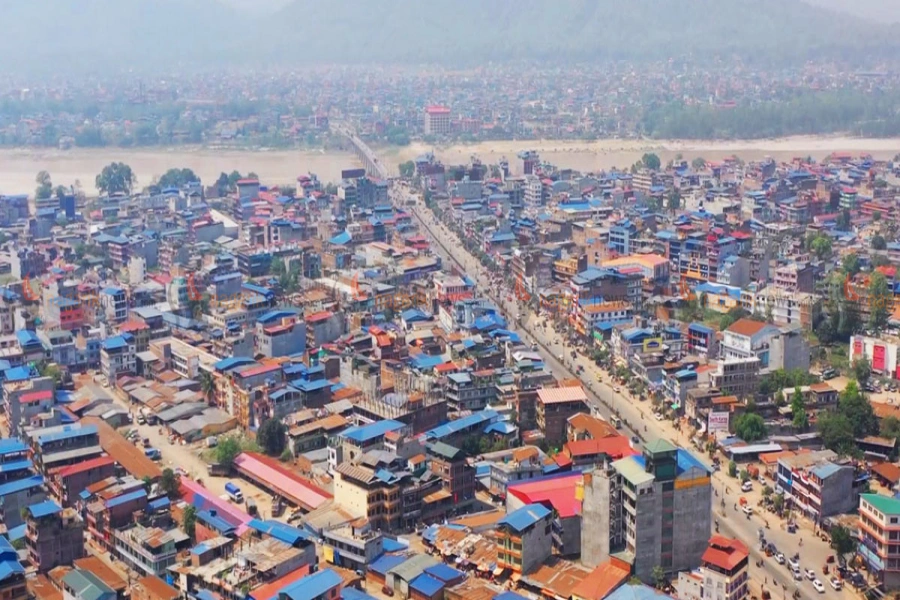
KATHMANDU, June 22: The government has allocated Rs 3 billion in the upcoming Fiscal Year (FY) 2026/27 to transform previously cleared squatter settlements into parks, green zones, expanded corridors, and widened river flow areas.
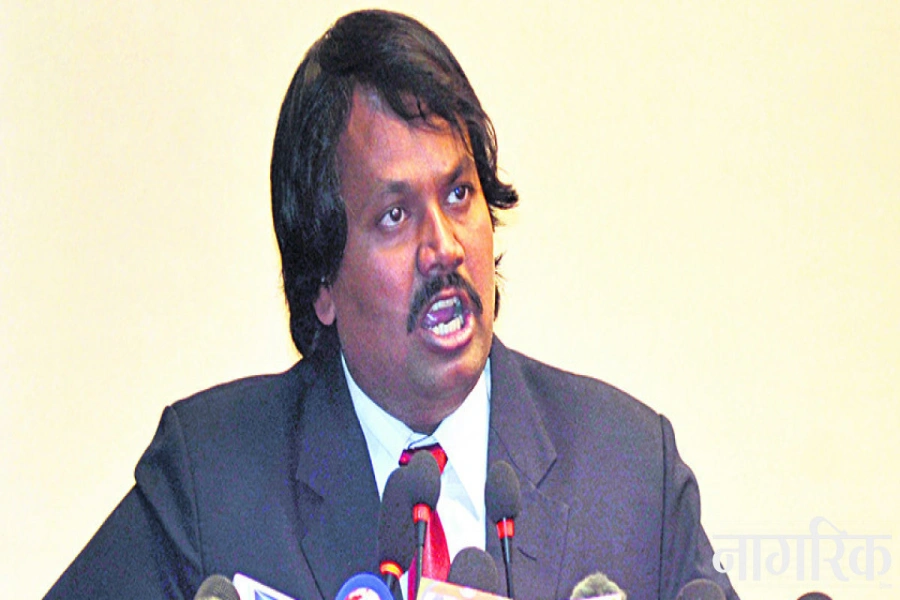
According to Machakaji Maharjan, a joint secretary at the Ministry of Infrastructure Development and Member Secretary of the High Powered Committee for Integrated Bagmati Development Civilization (HPCIDBC) under the ministry, the budget will be used for river control in the Kathmandu Valley, improvements to sewerage systems, development of greenery in cleared squatter areas, and expansion of parks and corridors.
He said work will begin immediately after the start of the new FY. He added that debris management is currently underway in the cleared settlements, where bulldozers were used to level structures.
“Work is ongoing to remove and manage bricks, stones, sand, concrete, and other debris from the cleared settlements,” Maharjan said. “We are managing the debris where it lies. Instead of transporting it elsewhere, we are organizing it on-site in a systematic manner.”
Govt plans parks, green belts in cleared squatter settlements

He further said, “We will now transform these cleared squatter settlements into green spaces and parks. Green areas will be expanded. In locations where river flow has narrowed, we will widen the channels. Where corridors have not reached, we will extend them.”
He added that park construction and river flow expansion works will begin from the start of FY 2026/27. “In some areas, we will also carry out sewerage management works,” he said.
The government had launched a bulldozer drive starting April 25, continuing for around 15 days across various parts of the Kathmandu Valley to clear squatter settlements. The eviction campaign to remove encroached land is still ongoing. Since the drive, displaced residents have been shifted to different holding centres.
Nearly two months on, many of the displaced squatters remain in holding centres, with the government yet to fully manage their rehabilitation. The squatters have reported difficult living conditions, including inadequate food, unsafe drinking water, and limited access to medical care. The government, however, says it has formed a Land Issue Resolving Commission, which has pledged to resolve squatter-related problems nationwide within 600 days.
According to HPCIDBC, families evicted from various parts of the Kathmandu Valley have been relocated to Banepa, Nagarkot, and Ichangu Narayan. The committee said 120 people were moved to Banepa, 49 to Nagarkot, and 93 to Ichangu Narayan.
Similarly, 200 squatters have been placed in hotels in Balaju, another 200 in the Radha Swami Satsang Hall, and 60 in the Central Training Institute of Agricultural Development Bank in Bode, Bhaktapur. Officials said some others have moved to different locations on their own.
During the eviction campaign, the government bulldozed 2,687 houses and sheds across the Kathmandu Valley. According to the District Administration Office, Kathmandu, 890 were permanent structures and 1,797 were temporary ones. Altogether, 19 squatter settlements were cleared.
In total, 15,316 people were displaced, including 6,858 men, 5,325 women, 1,437 boys, and 1,696 girls, according to the administration office.
At present, displaced families are scattered across holding centres, hotels, and rented rooms. According to the Kathmandu Valley Development Authority, 871 families lived in settlements including Thapathali (143), Gairigaun (162), Gothatar (77), Shantinagar (476), and Manohara Tole (13), all of which have now been demolished.
Officials at the Department of Urban Development and Building Construction said the Ichangu Narayan apartment alone is no longer sufficient to accommodate remaining squatters, where 93 individuals are currently staying.