


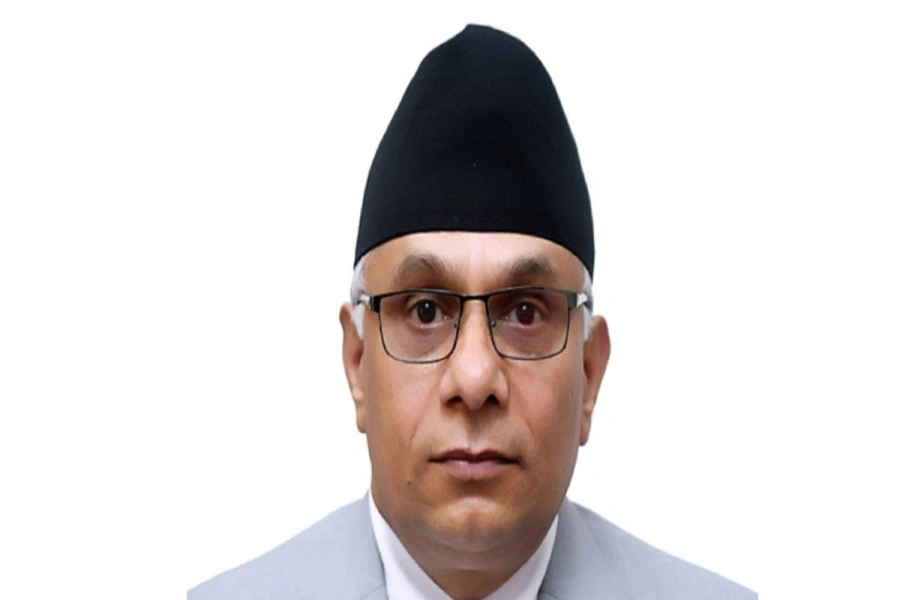
KATHMANDU, June 24: The CPN-UML has indicated it will intensify its opposition to the government, describing the arrest of party Vice Chair Bishnu Prasad Paudel as an act of political retaliation.
A meeting of the party’s ninth Central Secretariat at its Chyasal headquarters decided to strongly challenge the arrest through both political and legal means.
Announcing the decisions after the meeting, General Secretary Shankar Pokharel said the party views Paudel’s arrest as a serious attack on democratic values, the rule of law, and civil liberties.
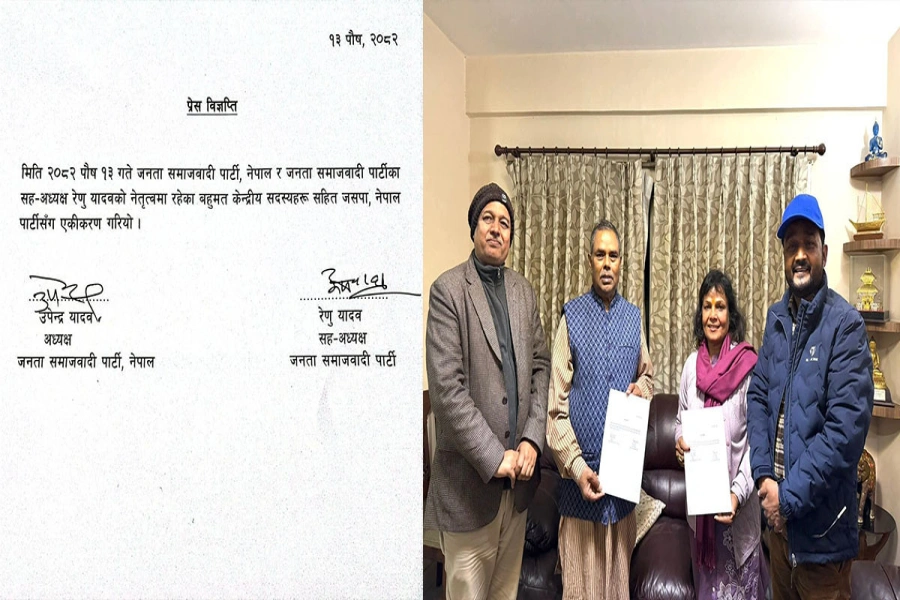
JSP-Nepal and JSP move toward merger as Vice-Chair Renu Yadav l...
According to the UML, Paudel was arrested under money laundering allegations without clear facts or evidence and was deliberately targeted due to political bias against opposition leaders. The party argued that the move has raised serious questions about the impartiality and credibility of state investigative agencies.
The UML also expressed disagreement with the Special Court’s order remanding Paudel to seven days of judicial custody for further investigation. The party claimed the decision appeared to be influenced by political considerations rather than judicial impartiality.
Demanding Paudel’s immediate and unconditional release, the UML maintained that the arrest process itself was unlawful and said it would pursue all available legal avenues to challenge it.
The party further accused the government of increasingly using state mechanisms to exert pressure on opposition political forces. According to the UML, such actions amount to a direct attack on the constitution, the democratic system, and citizens’ rights.
In protest against the arrest, the UML announced plans to launch nationwide political resistance and public awareness campaigns. The party has called on all its committees, sister organizations, leaders, cadres, and citizens who believe in democracy to actively participate in the movement.
Describing the incident as more than just the arrest of a single leader, the UML said it represents interference in broader democratic rights and political competition, signaling that it is prepared to mount a decisive response.





-1200x560-1774606010.webp)


