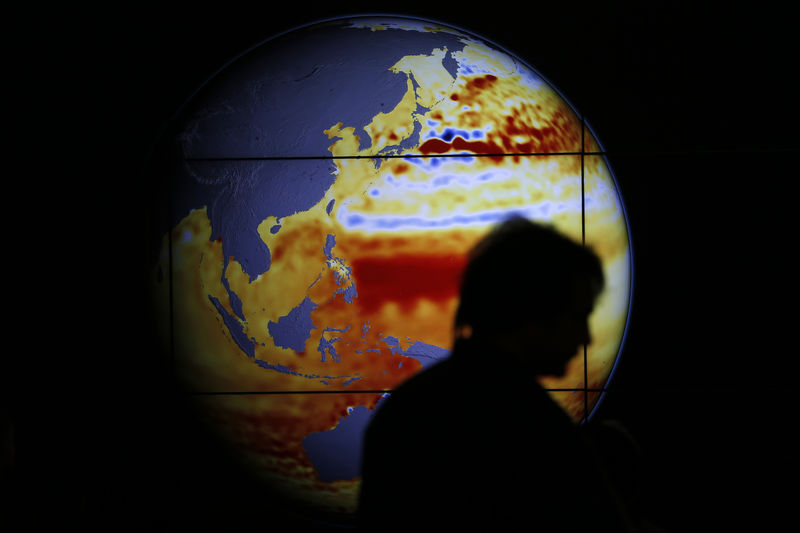
GENEVA, April 25: The El Nino weather phenomenon, which pushed global temperatures to record highs the last time around, is expected to return in mid-2026, the UN said Friday.
The United Nations' weather and climate agency said El Nino conditions could well develop as early as May to July.
The World Meteorological Organization (WMO) meanwhile said early signs indicated a particularly strong event.
El Nino is a naturally-occurring climate phenomenon that warms surface temperatures in the central and eastern equatorial Pacific Ocean, bringing worldwide changes in winds, pressure and rainfall patterns.
Conditions oscillate between El Nino and its opposite La Nina, with neutral conditions in between.
El Nino may return in 2026 and make planet even hotter
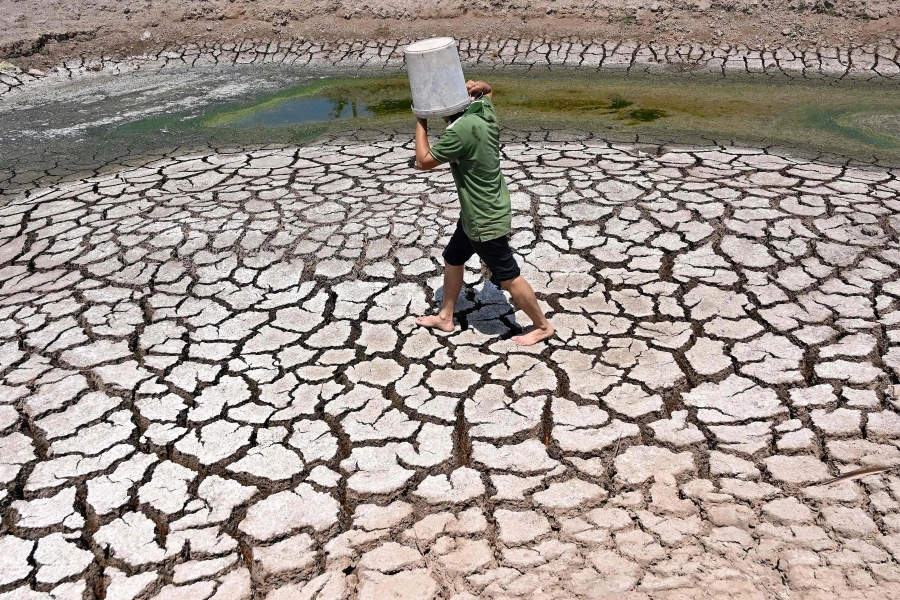
The last El Nino contributed to making 2023 the second-hottest year on record and 2024 the all-time high.
"After a period of neutral conditions at the start of the year... there is high confidence in the onset of El Nino, followed by further intensification," said Wilfran Moufouma-Okia, the WMO's climate prediction chief.
El Nino typically occurs every two to seven years and lasts around nine to 12 months.
The WMO said in its latest monthly Global Seasonal Climate Update that sea surface temperatures are rising rapidly in the equatorial Pacific, "pointing to a likely return of El Nino conditions as early as May-July."
Forecasts indicate a "nearly global dominance of above-normal land surface temperatures" in the next three months.
- Temperature spike -
"There is no evidence that climate change increases the frequency or intensity of El Nino events," the Geneva-based WMO said. "But it can amplify associated impacts."
The WMO explained that 2024 was the hottest year ever recorded "because of the combination of the powerful 2023-2024 El Nino and human-induced climate change from greenhouse gases".
While forecasting accuracy improves after April, "what we can say for certain is that the El Nino will be strong", Moufouma-Okia said.
El Nino is typically associated with increased rainfall in southern South America, the southern United States, the Horn of Africa and central Asia, and drought over Australia, Indonesia, and parts of southern Asia.
Warmer water can fuel hurricanes in the central and eastern Pacific during the middle of the year, though it hinders hurricane formation in the Atlantic Basin.
The WMO hopes advance warning will guide preparedness, especially in climate-sensitive sectors like agriculture, water management, energy and health.
The WMO's April Global Seasonal Climate Update said that for May to July, land surface temperatures are expected to be above normal nearly everywhere.
The signals are especially strong over southern North America, Central America, and the Caribbean, as well as Europe and Northern Africa.




-1200x560-1781083488.webp)