

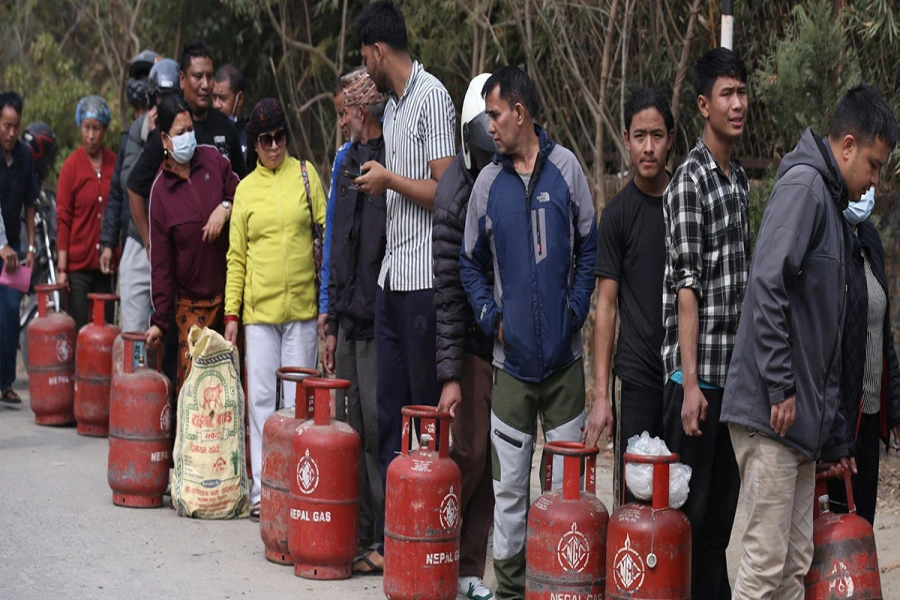
Nepal is once again facing an energy crisis it should have outgrown years ago. Nearly half of the country’s households depend on imported LPG, making everyday cooking vulnerable to global price fluctuations and supply disruptions. Each price increase or shortage exposes a deeper structural weakness: Nepal has replaced one form of energy dependence with another.
Dependence on LPG
According to the National Statistics Office, nearly fifty percent of households rely on LPG, with adoption concentrated in urban areas. The shift away from traditional fuels was an important step, reducing the burden of collecting firewood and lowering exposure to indoor air pollution, which has long contributed to health problems, particularly among women.
However, this transition has created a new dependency. Nepal continues to spend significant foreign currency on LPG imports, making the economy vulnerable to external shocks. For many families, even moderate price increases or temporary shortages can disrupt monthly budgets and, more importantly, make it difficult to cook daily meals, leaving households struggling to meet basic needs.
Biogas: A Sustainable Option with Practical Constraints
Biogas remains one of Nepal’s most viable domestic energy solutions, particularly in rural areas. By converting animal waste and organic materials into cooking fuel, it provides both environmental and economic benefits.
In practice, however, the long-term sustainability of biogas is often constrained. Many rural households lack the labour required to maintain biogas systems, as out-migration of the working-age population has reduced the available workforce. A biogas digester requires regular feeding, monitoring and basic technical knowledge. Without continued support, many systems become non-functional over time.
Nepal’s Path to a Sustainable Energy Future
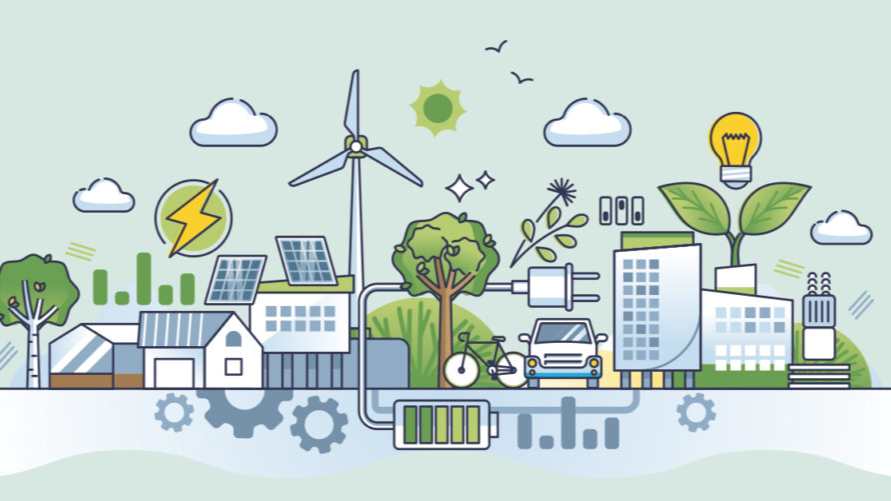
Past initiatives have often focused on distribution and installation rather than long-term performance. Projects that emphasise distribution without follow-up support tend to lose effectiveness. A more durable approach would involve coordination between government agencies and NGOs or INGOs to provide technical training, monitoring and access to necessary inputs.
In urban areas, household-level biogas is less feasible due to limited organic waste and social constraints. Municipal-level systems offer a promising alternative. Organic waste from cities could be converted into energy, addressing both waste management and energy supply challenges. With proper institutional support, biogas can effectively complement other clean cooking solutions.
Electric Cooking: Unlocking Its Potential
According to the National Population and Housing Census 2021, although electricity reaches over ninety-five percent of households, only about 0.5 percent use it for cooking. In contrast, electric vehicle adoption in Nepal is growing rapidly, supported by policy incentives and increasing public acceptance.
This contrast highlights a key issue: the challenge is not the availability of technology, but the absence of a strong policy and support framework for electric cooking.
Several factors continue to limit adoption, including high upfront costs, concerns about reliability during peak demand, power tripping, limited repair services and the lack of suitable utensils. Many households are also uncertain whether electric stoves can meet the requirements of traditional Nepali cooking.
Electric cooking offers clear long-term advantages. With increasing hydropower generation, it can be more environmentally friendly and cost-effective than LPG, while reducing dependence on imports. To accelerate adoption, targeted measures are essential. These include lower electricity tariffs for cooking, subsidies or financing options for appliances, value-added tax reductions and public awareness programmes.
Given Nepal’s seasonal variation in electricity generation, policy approaches can be adapted accordingly. During the monsoon season, when electricity production is high, lower tariffs can encourage greater household consumption, including cooking, and help utilise surplus energy effectively. Local governments can further support adoption through training, demonstrations and monitoring programmes that build confidence in electric cooking technologies. A focused policy approach could reduce dependence on imported fuels while increasing domestic electricity use, allowing Nepal to better utilise its own resources.
Lessons Ignored, Opportunities Ahead
The 2015 border blockade demonstrated the risks of heavy reliance on imported LPG. At that time, limited electricity supply and frequent load-shedding restricted alternatives, leaving households vulnerable. Today, electricity access has improved significantly, and hydropower capacity continues to expand. Conditions for a transition to electric cooking are now far more favourable.
Scaling up will require investment in transmission and distribution systems. These should be viewed as essential investments in long-term energy security.
Stop Managing the Crisis, Start Ending It
Nepal does not face an energy shortage; it faces a strategic gap in planning and policy. Rather than sustaining losses by selling LPG below international prices, the government could reduce electricity tariffs, cut taxes on electric appliances and provide local subsidies for electric cooking and biogas technologies. These alternatives also require active promotion through clear policies, training and continuous monitoring.
Strong coordination between government agencies, NGOs and INGOs is essential to ensure long-term impact.
The current crisis presents an opportunity. By strengthening these alternatives, Nepal can reduce its reliance on imports and move towards a more resilient and self-reliant energy system.





