

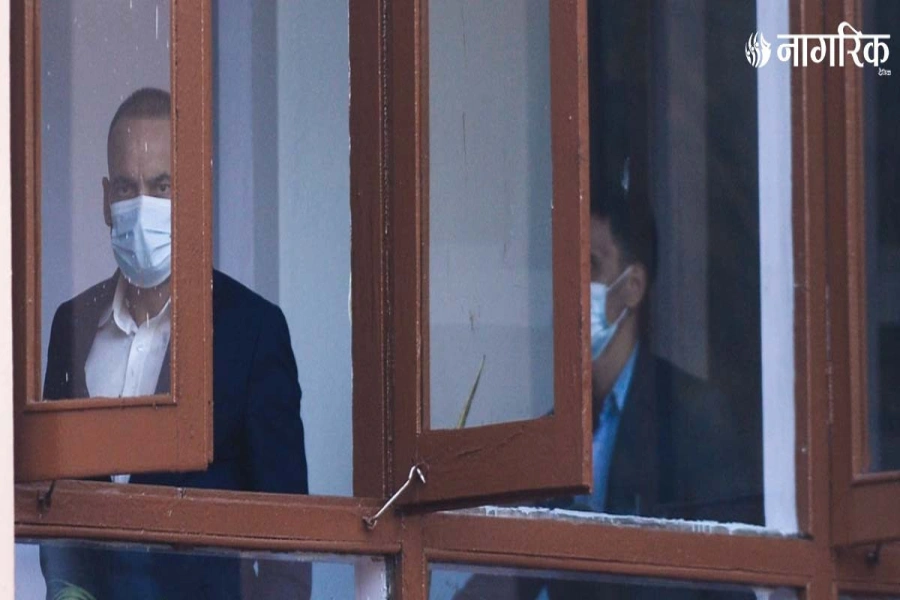
KATHMANDU, Dec 4: The faulty construction of a heliport in Bhaktapur’s Nalinchowk has dragged top officials of Nepal’s aviation sector regulator into a court case over corruption charges.
The Commission for the Investigation of Abuse of Authority (CIAA) on Wednesday filed graft cases against Director General of the Civil Aviation Authority of Nepal (CAAN) Pradeep Adhikari and five others on alleged foul play linked to the construction of the heliport which has now turned defunct due to safety concerns.
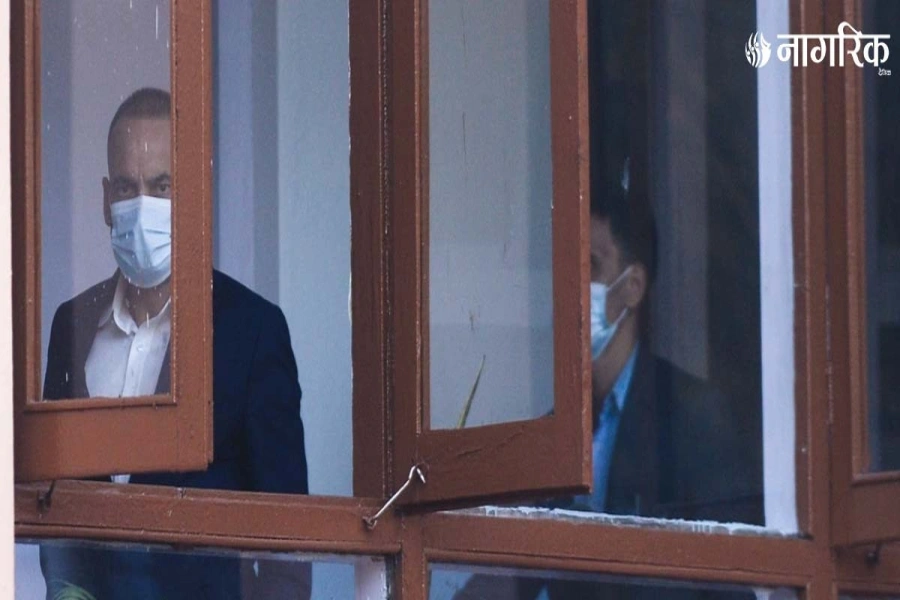
The anti-graft body detained Adhikari on charges of alleged irregularities in the project and filed a case at the Special Court. Others charged in the case are former director of the CAAN Murari Bhandari, manager of CAAN Nal Bikram Thapa, deputy director and engineer Sambridhi Shrestha along with two persons from ‘Abhiyantra Consulting Pvt Ltd’ – Gurudatta Adhikari and Bijay Thapa. The anti-graft body has demanded recovering Rs 135 million from each of the government employees and the two consultants.
The CIAA had launched an investigation following complaints that CAAN misused its 32-ropani plot in Nalinchowk while building the heliport, raising questions about the project’s necessity and procedural compliance. The complaints also alleged that the heliport was constructed without carrying out a mandatory environmental impact assessment.
Flights halted at Nalinchowk heliport, CAAN says it has no form...

The facility was jointly inaugurated on June 21, 2024, by then Tourism Minister Hit Bahadur Tamang and CAAN chief Adhikari — an event now overshadowed by the unfolding corruption case. After the heliport was constructed, multiple technical assessments raised serious safety concerns. Committees formed by CAAN, aviation safety experts, and university engineers all concluded that the heliport posed severe risks to flight safety due to its location in a densely populated area, lack of key infrastructure, proximity to high-voltage power lines, absence of refueling and security facilities, and inadequate visibility and communication arrangements. A test flight and field inspection indicated that as many as 300–400 households could be affected by noise and safety risks.
Forty-seven helicopter pilots from 11 companies submitted a formal petition to CAAN warning that commercial operations from Nalinchowk could lead to “catastrophic accidents.” Separate safety assessments prepared using ICAO guidelines found significant hazards and concluded that the heliport could not be certified for commercial use. Local school officials and residents also complained of serious disturbances and safety threats, stating that construction proceeded without public hearings or environmental studies.
Based on the extensive evidence, the CIAA has concluded that former CAAN Director General Pradeep Adhikari, former Director Bhandari, engineer Shrestha, then deputy manager (now manager) Nal Bikram Thapa, and several private-sector representatives acted with deliberate intent to circumvent legal procedures, mislead authorities, and cause loss to public property. The anti-graft body has now sought legal action against all accused.
The Nalinchowk Heliport, although completed, remains non-operational due to the severe safety issues identified, raising further questions about accountability, oversight, and systemic failures within Nepal’s aviation management.
According to the CIAA, the process began when CAAN engineer Sambridhi Shrestha recommended initiating a feasibility study for a new helipad in Nalinchowk. However, the then Director Bhandari endorsed the proposal without conducting the mandatory feasibility assessment and forwarded it to the then Director General Raj Kumar Chhetri, who approved it on condition that work would proceed only if feasibility was established.
However, investigators found that Bhandari and Shrestha colluded to approve the feasibility study but without actually undertaking it. Instead, they allegedly prepared Terms of Reference (ToR), Request for Proposal (RFP) documents and cost estimates for a Detailed Project Report (DPR) without informing senior leadership.
The CIAA states that the duo advanced procurement procedures and selected consulting firms despite none of the Nepali bidders having prior experience in preparing airport or heliport DPRs — a violation of the Public Procurement Act, which requires international bidding when no qualified domestic firm exists.
Abhiyantra Consulting Pvt. Ltd. was ultimately awarded the contract, with Bhandari signing on behalf of CAAN. The firm reportedly failed to submit a complete DPR, yet CAAN continued to push the project forward.
The investigation also found that CAAN officials initiated the procurement process without approval of budget, breaching procurement rules that prohibit starting purchases without financial authorization. The cost estimate of Rs 175.4 million was approved before the master procurement plan and annual procurement plan were endorsed, another clear violation of legal procedures.
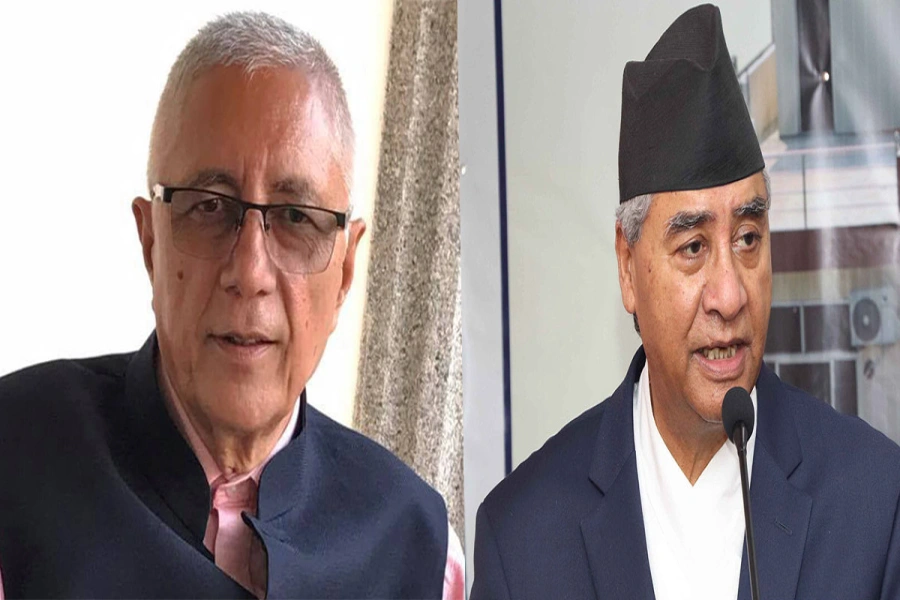
The CIAA further noted that the construction of a heliport requires prior approval from the Government of Nepal, as mandated under the CAAN Act, along with an environmental impact assessment (EIA) — neither of which was sought. Despite this, the project moved ahead and was later included in the government’s budget by CAAN’s board, allegedly without informing that the procurement had already begun. The then Tourism Minister Jeevan Ram Shrestha, the chair of the CAAN Board at the time, has stated that he was unaware that the project had already advanced.






-1200x560-1783083574.webp)




