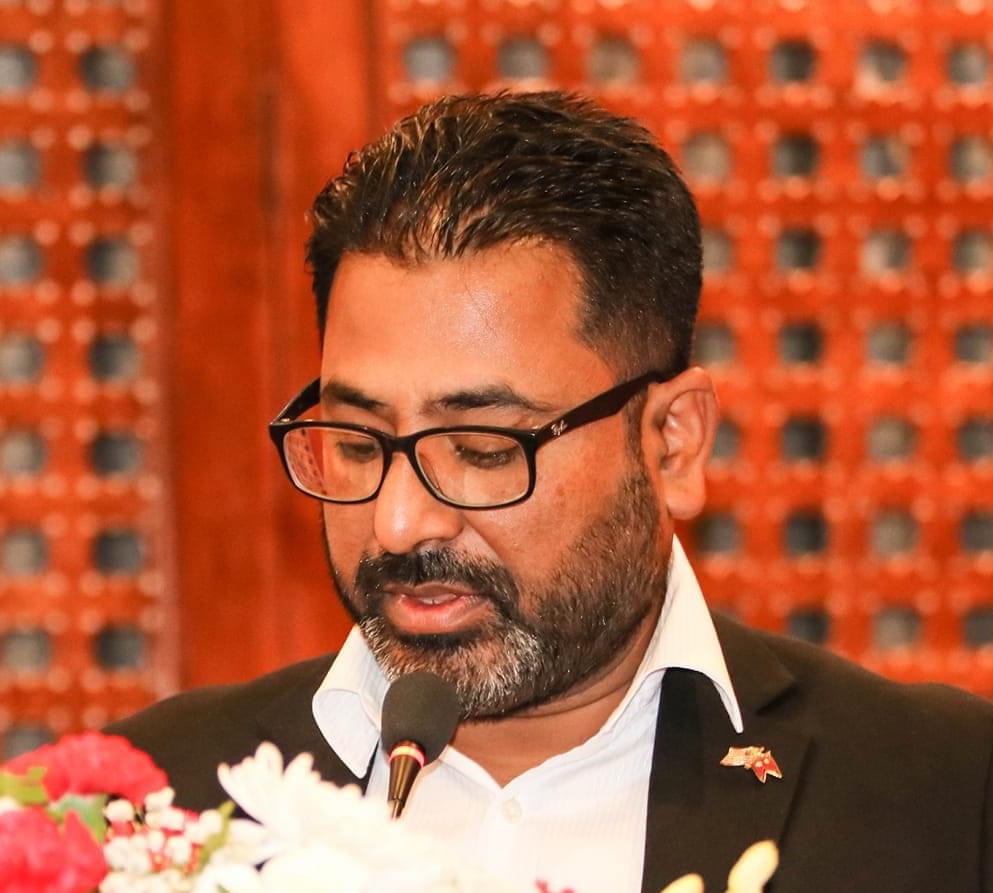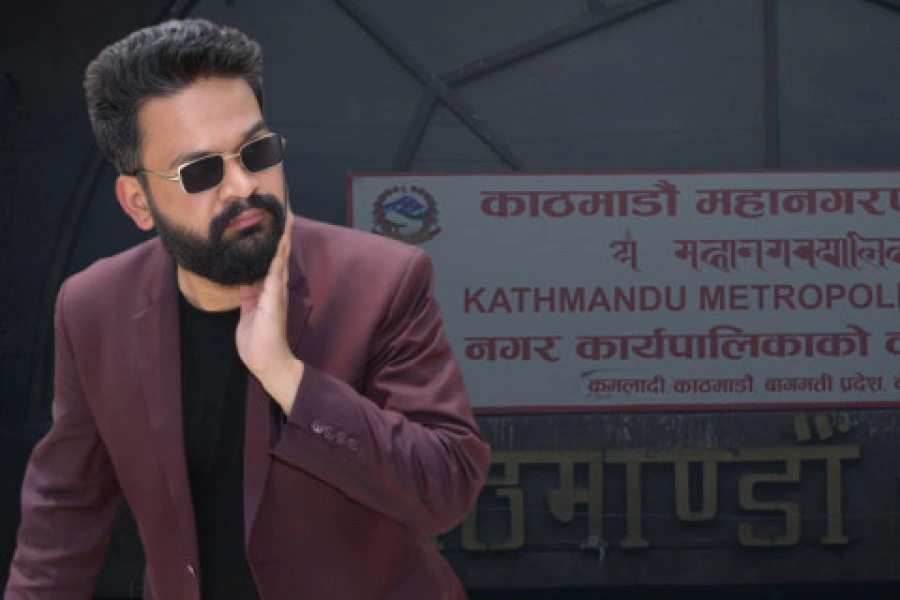
Now that Balen Shah has decided to run in the upcoming federal elections, it is high time to start reflecting on what his legacy in the country’s largest metropolis will be.
Without a doubt, there are a number of visible success stories that his administration has accomplished. Let us begin with the condition of the streets, which arguably represent the high point of Shah’s work. They are cleaner and, importantly, more inclusive, with tactile pavements that allow thousands of citizens with visual impairments to move around the city more easily.
Falcha-style bus stops are also emerging in many locations. These structures, which resemble traditional resting places that once dotted the Kathmandu Valley and form part of the Valley’s intangible Newari heritage, are aesthetically pleasing as well as functional and comfortable.
The Kathmandu Metropolitan Government under Mayor Shah has also reorganised public parking in New Road, making it considerably less chaotic than before. Meanwhile, the garbage collection system has improved significantly, even though issues related to dumping sites outside the Valley remain unresolved, prompting frequent protests by local communities against a series of broken promises.
The residents of Bancharedanda, where the main landfill is located, are absolutely justified in their grievances. At the start of his mandate, the Mayor may have overplayed his hand by attempting to accommodate their many legitimate demands, ultimately overpromising. In fairness, however, this is an extremely complex problem that requires substantial leadership and financial support from the federal government, with which Shah has never had a particularly smooth relationship.
Deputy Mayor Dangol raises questions about Mayor Balen's workin...

Beyond streets and waste management, the Shah administration also introduced promising initiatives in the field of human development. Community Health Centres under the Kathmandu Metropolitan City, which had remained underutilised for years, have been rebranded as Urban Health Promotion Centres (UHPCs). These centres have been strengthened and reactivated with a clear mandate, offering accessible public healthcare to residents of the capital.
This is a commendable initiative, even though considerable work remains to turn these centres into fully effective public health institutions. In the broader health sector, the administration has also made notable contributions to some of the country’s most important hospitals. It recently committed Rs 90 million to establish modern operating theatres at Kanti Children’s Hospital, improve outpatient services at Tribhuvan University Teaching Hospital, and enhance coronary care at Manmohan Transplant Centre.
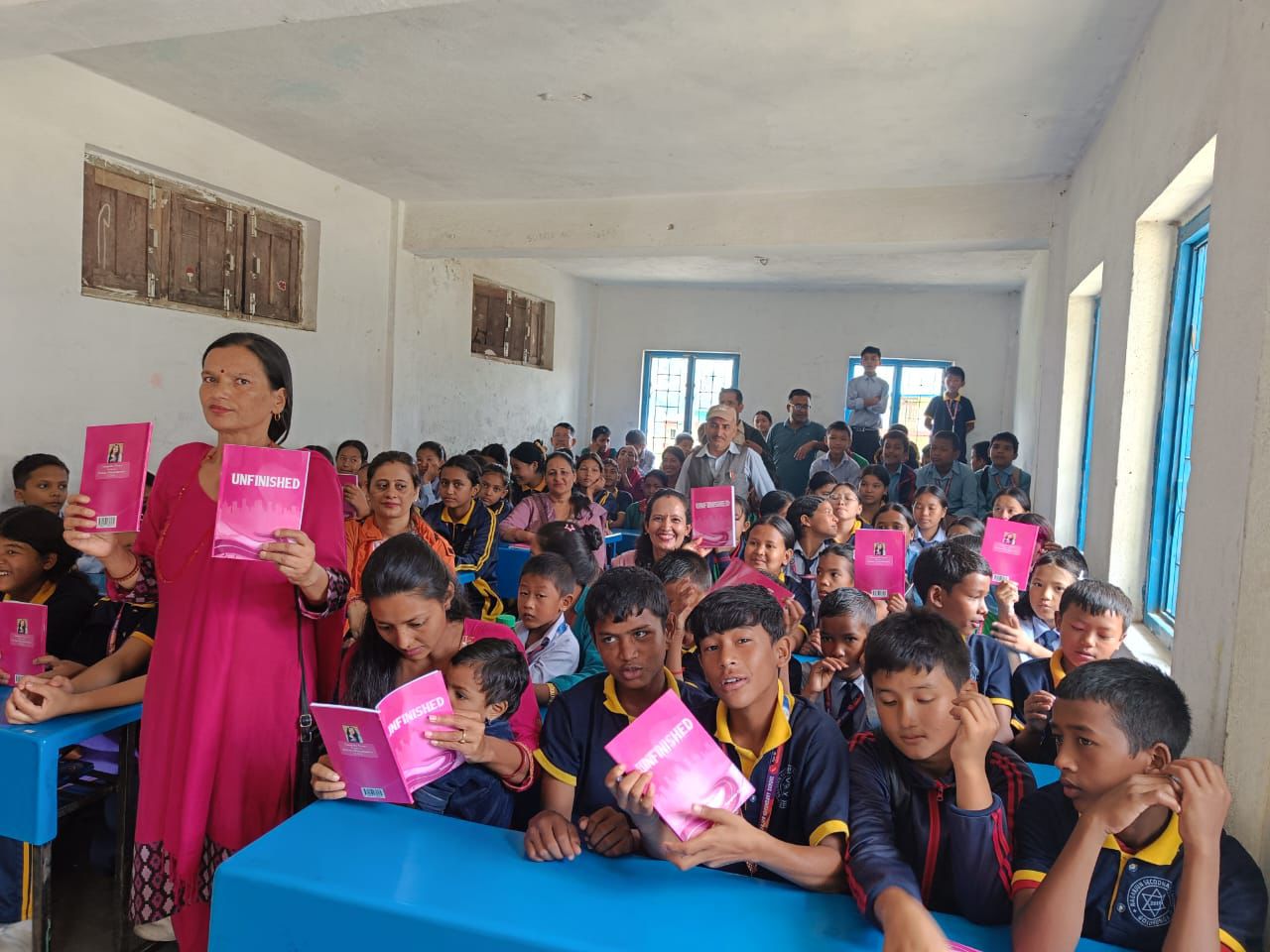
Public schools also received significant attention, with increased funding for infrastructure and the introduction of “Book-Free Fridays”, a bold and experimental initiative. There is little doubt that Shah and his team have achieved additional notable accomplishments, and it is important not to overlook the role played by Deputy Mayor Sunita Dangol.
Serving as a deputy in an executive political office is never easy. Such individuals are often overshadowed by the “principal”, and it is inevitable that many good ideas they generate are ultimately attributed to the person holding the highest office—in this case, Mayor Shah. Therefore, in assessing Shah’s record, it is both fair and necessary to recognise Ms Dangol as a co-protagonist in what should more accurately be described as the Shah–Dangol administration.
There are, however, less impressive aspects of Shah’s tenure. His handling of street vendors comes first to mind. While his argument—that street vendors occupy public space and often obstruct pedestrians—may be logically sound, his approach resulted in the mistreatment and disrespect of some of the most vulnerable citizens of Kathmandu.
Other aspects of his leadership style also raise concerns, particularly his use of social media, which I consider immature and inappropriate for someone holding high public office. Nevertheless, taken as a whole, the Shah–Dangol administration did a commendable job governing a complex and diverse urban space like Kathmandu, especially in the face of an unfriendly and unsupportive federal government.
As Shah prepares to step away from the mayoralty, it is worth asking how his legacy will be remembered in the years ahead. In my view, this legacy is at risk. First, he is not completing a full term, and many aspects of the city still require significant improvement. Public transportation, for instance, has seen no notable progress. Even token measures, such as introducing cycle lanes—as attempted by Lalitpur Metropolitan City—could have signalled movement in the right direction. In Kathmandu’s “sister city”, at least an effort was made.
That said, public transportation is another deeply complex issue involving the federal government and entrenched syndicates that dominate the sector in collusion with powerful politicians. Returning to public health and education, these are among the most critical areas of governance under the federal system—sectors where local governments can demonstrate tangible impact through effective policymaking.
Can UHPCs be transformed into high-quality healthcare providers? While wealthy residents will continue to rely on private hospitals, can these centres also attract middle-class users and become a credible alternative? The same questions apply to the many community schools now administered by the Kathmandu Metropolitan City. At present, they primarily serve children from poor and vulnerable families, but this need not remain the case.
Public libraries could also be established across the city, as no global city can thrive without a strong culture of knowledge creation. While colleges and universities play an important role, investment must begin at the grassroots level. In short, the government of the nation’s largest and most populous city could pioneer a new model of an inclusive and accessible urban welfare state.
I understand the reasons that may have prompted Shah to enter federal politics. A different outcome at the recent UML convention might have altered his calculations. Perhaps he feels compelled to step up in order to challenge the entrenched political establishment. Yet he could have chosen to externally support Rabi Lamichhane and Kulman Ghising, enabling the latter to run for prime minister.
In such a scenario, Shah could have acted as a kingmaker and guarantor of this new political partnership while remaining mayor. He might have become a central pillar of a political “triumvirate”, securing unprecedented federal support for Kathmandu’s development, possibly even negotiating special constitutional provisions for the capital.
In conclusion, Shah and his deputy have indeed delivered a number of positive changes. However, the challenges facing Nepal’s largest metropolis are so immense that they demand sustained, long-term commitment. Running Kathmandu is—and will always remain—a premier political assignment and a natural launchpad for national leadership.
Will Shah come to regret his decision?