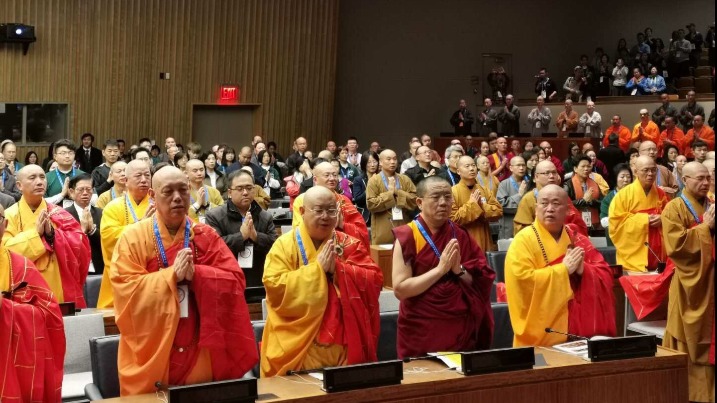
KATHMANDU, Feb 6 : The visit of a Tibetan Buddhist leader to Kathmandu has drawn political attention and diplomatic concerns, with leaders from Nepal’s major communist parties expressing concern that the episode could strain relations with China.
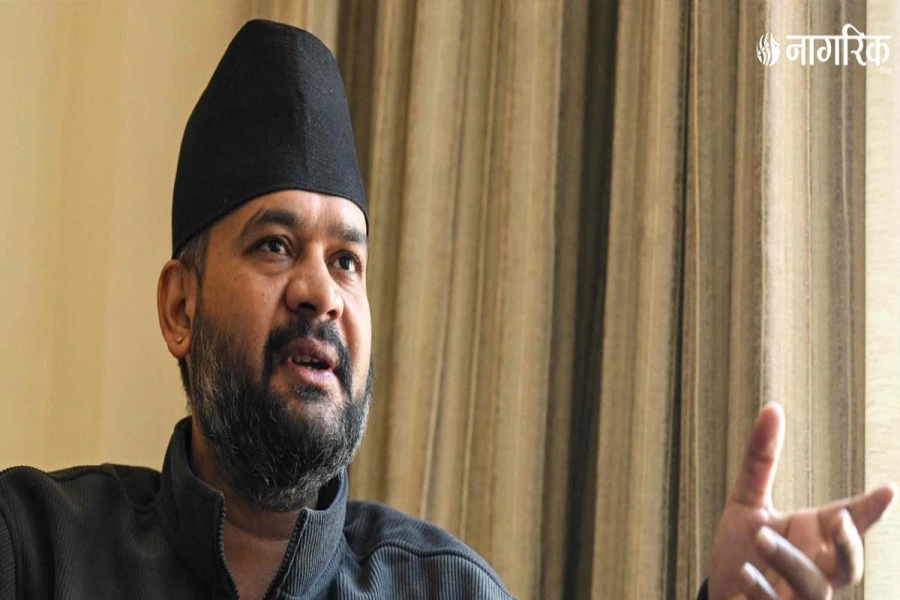
CPN-UML Vice Chair Ram Bahadur Thapa said a Chinese intellectual had published an article in the Chinese media outlet Dragon, issuing a warning to Nepal and the Nepali government. Thapa linked the concern to the recent visit of Kyabje Jonang Gyaltsab Rinpoche, who arrived in Kathmandu on January 29 as a representative of the Tibetan spiritual leader the Dalai Lama.
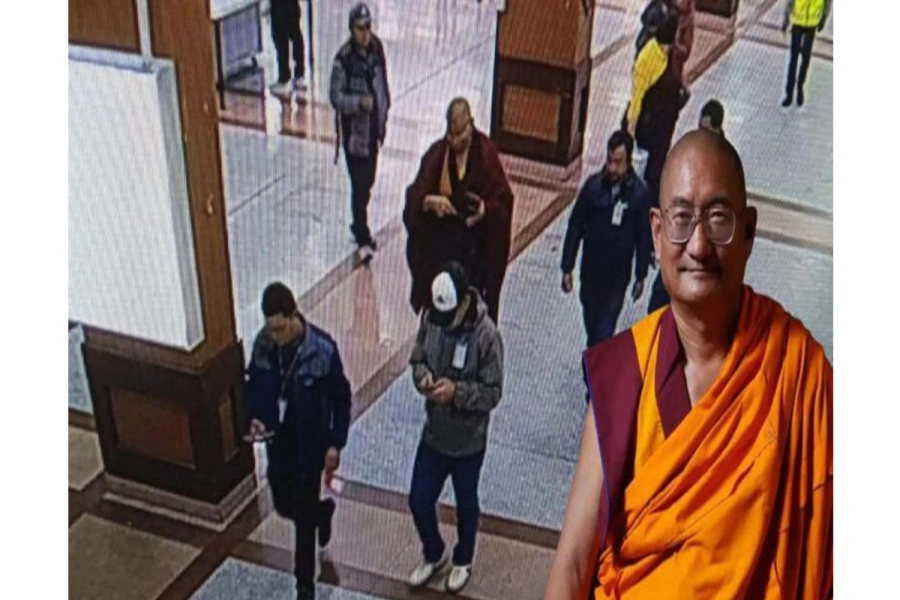
Speaking to journalists on Wednesday, Thapa said the Rinpoche was received with what he described as state-level protocol, including an escort from Tribhuvan International Airport to his place of residence. Thapa’s remarks suggested that the current government was allowing activities perceived as anti-China.
“Indian analysts are also interpreting recent developments in Nepal as part of a larger design,” Thapa said, adding, “They have claimed that the incident of toppling an elected civilian government was orchestrated. Chinese analysts and intellectuals are saying the same—that what happened under the guise of Gen Z movements was not a revolution, but regression, a counter-revolution, and an unconstitutional act.”
According to Thapa, China has become “provoked” by recent developments and has conveyed a firm message: either Nepal must take action against what it views as pro-Tibetan separatist activities, expel those involved and apologise for providing shelter, or be prepared to face consequences. “There is no third option,” he quoted Chinese authorities as saying.
Chinese officials begin to dismantle Tibetan study site

The Rinpoche, a senior Tibetan Buddhist teacher of the Jonang tradition, arrived in Kathmandu to deliver religious discourses and is currently staying in the capital. His visit has sparked controversy amid claims that the government extended official protocol, although no formal confirmation has been issued by the authorities.
The government has not made any official statement on the matter. It is also reported that China has raised the issue through diplomatic channels, expressing dissatisfaction. However, Nepal’s Ministry of Home Affairs and other concerned government agencies have said they are unaware of the visit.
Home Ministry Spokesperson Anand Kafle, a joint secretary, said the ministry had no information on the matter. “The ministry is not aware of this issue,” he said. Similarly, Nepal Police Spokesperson DIG Abi Narayan Kafle said the police were unaware of when and why the Rinpoche arrived in Nepal.
Sources, however, claim that government officials were present during the Rinpoche’s reception.
The Rinpoche is currently participating in a religious discourse programme in Boudha, Kathmandu. He arrived in Kathmandu from New Delhi on Air India flight AI-219 and is staying at a hotel in Boudha Tinchuli. He was invited by Tashi Phuncho Gurung, president of the Dolpo Society, a non-governmental organisation based in Aurbari.
The 10-day Buddhist discourse programme began on February 1. The Rinpoche is the head of the Jonang school of Tibetan Buddhist philosophy.
Former prime minister and senior leader of the Nepali Communist Party (NCP) Jhalanath Khanal has also expressed concern over the visit. Both Thapa and Khanal have interpreted the Rinpoche’s presence in Kathmandu as a China-sensitive and politically charged development.
There has long been discussion about Tibetan involvement in the Gen Z movement. When the incumbent government was formed under the leadership of Sushila Karki, the Dalai Lama extended congratulations—something he had not done for previous prime ministers of Nepal. The arrival of the Rinpoche, considered one of the Dalai Lama’s closest and most trusted figures, has therefore raised suspicion among major political parties.
Born in Tibet in 1970, the Rinpoche’s original name is Tulku Chokyi Nangpa Rinpoche. He has been living in India since 1993 and studied at Ganden Monastic University. He has received teachings and initiations from the Dalai Lama and teaches at the Jonang Monastic University, as well as at Kalachakra meditation centres in Shimla and Dharamshala. He has also delivered teachings in Europe, South America, and Taiwan.
Meanwhile, the Dolpo Society issued a statement on Wednesday evening, defending the visit. In the statement signed by Tashi Phuncho Gurung, the society said the relationship between Dolpo and the Jonang tradition is historically deep, authentic, and continuous.
“The revered Kunkhyen Dolpo Buddha, regarded as the Dolpo Buddha, was born in Dolpo and is the principal founder of the Jonang Buddhist tradition,” the statement said, “Inviting Kyabje Jonang Gyaltsab Rinpoche, the current principal spiritual leader of the Jonang tradition, is a natural and legitimate act directly linked to the historical, spiritual, and cultural heritage of the Dolpo community.”
The statement added that the core objective of the programme was to formally reconnect, for the first time since the late 12th century, the lineage established by the Dolpo Buddha with its homeland.