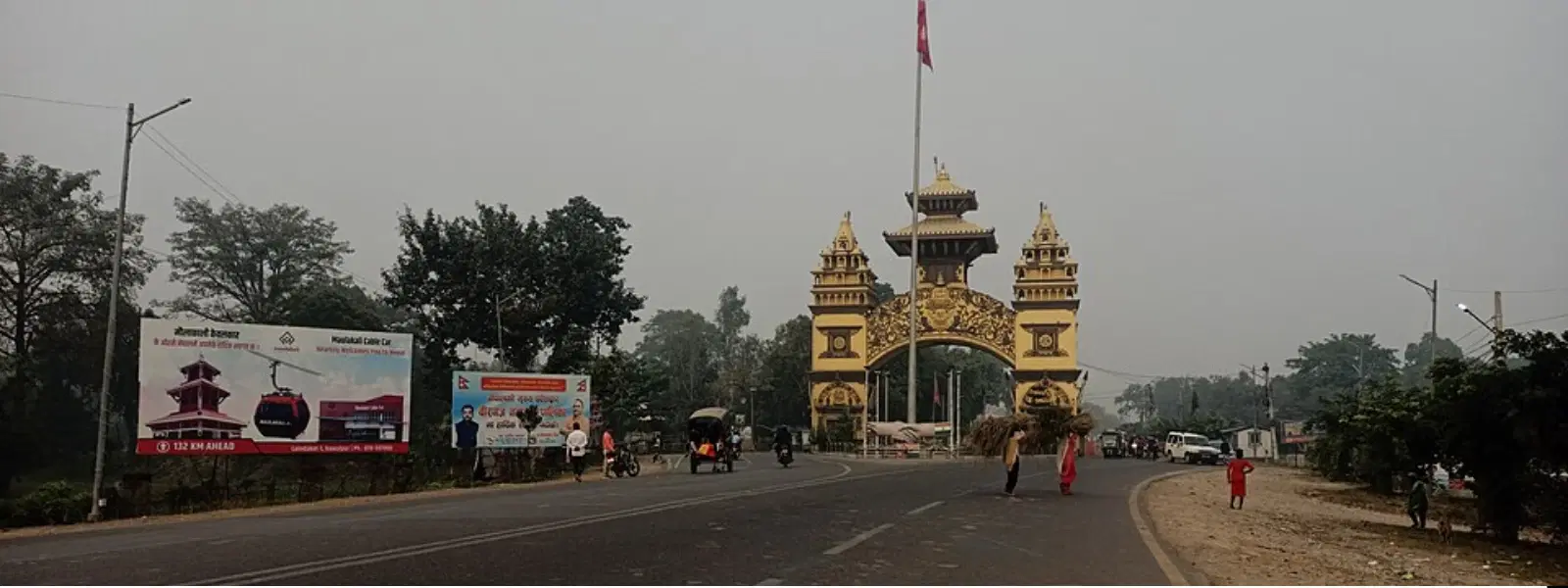
KATHMANDU, Sept 4: Crossing the open border into India has long been part of everyday life for thousands of Nepalis. From students heading to Indian universities, to families visiting relatives, to traders transporting goods, the movement across the frontier is seamless and deeply woven into the social and economic fabric of the two nations.
Now, the Indian government has moved to formalise this unique cross-border arrangement. Under the newly introduced Immigration and Foreigners Act 2025, Nepali and Bhutanese citizens can continue to enter India by simply presenting a valid national identity card—without the need for a passport. In a reciprocal arrangement, Indian citizens can also enter Nepal and Bhutan under the same provision.
Former MP Sherpa was running office to register forms to send N...

But the law comes with a few restrictions. Nepali nationals will no longer be allowed to enter India via third countries such as China, Macau, Hong Kong and Pakistan. This provision appears aimed at tightening security and monitoring travel routes more effectively.
Interestingly, the directive also extends to Tibetans who came to India after 1959 and those living in Kathmandu. They will enjoy similar privileges but must secure a “special entry permit” from the Indian Embassy in Kathmandu.
While Nepalis have never been required to carry passports to enter India, the new legislation codifies and standardises the decades-old practice of free movement. Indian media outlets have described the step as one that not only strengthens traditional people-to-people ties but also bolsters efforts to curb terrorism and enhance border security.
For millions who rely on the open border for work, education and family connections, the announcement provides both reassurance and clarity—affirming that the age-old practice of free travel remains intact, albeit now more formally regulated.




_20240829165847.jpg)