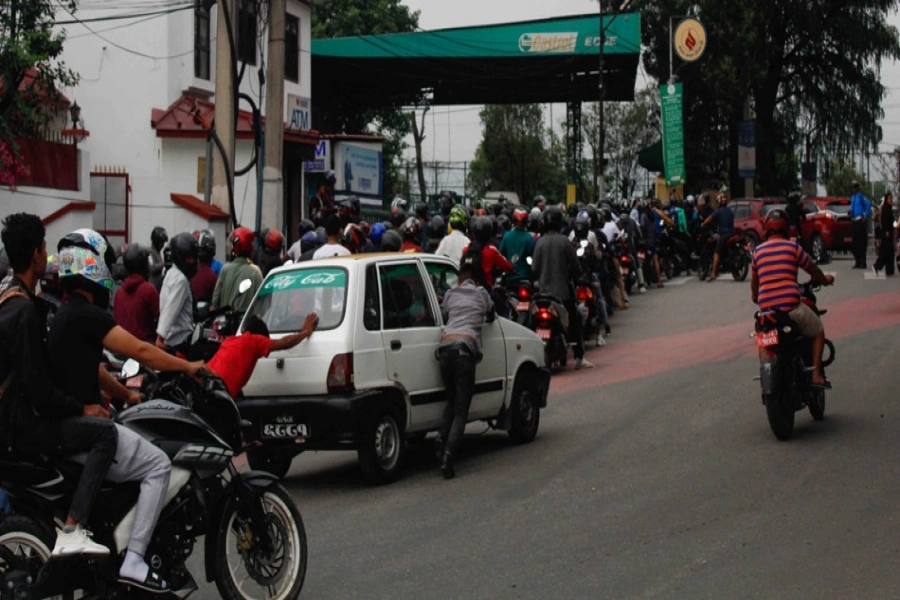
KATHMANDU, March 3: Nepal could face significant economic repercussions if tensions in the Middle East persist, economists warned, citing risks to remittance inflows, fuel supply and inflation.
Nepal’s economy heavily depends on remittances sent by migrant workers, particularly from Gulf countries including Saudi Arabia, Qatar, Bahrain, the United Arab Emirates, Oman and Kuwait — countries that have reportedly faced retaliatory attacks from Iran.
According to government records, more than 1.7 million Nepalis work in these countries. Remittance accounts for roughly 25–30 percent of Nepal’s gross domestic product (GDP), making the economy highly vulnerable to instability in the region.
Economist Keshab Acharya says prolonged conflict would significantly affect remittance inflows.
“This will not only reduce the purchasing power of remittance-dependent households but also weaken aggregate demand and affect liquidity in the banking system,” Acharya told Republica.
China says U.S. use of force aggravating Middle East tension

Rising Fuel Prices a Major Concern
Analysts said the conflict could also drive up global petroleum prices. Middle Eastern countries account for around 20 percent of global fossil fuel supply.
Following recent developments, international media reported that Qatar suspended gas production after attacks, pushing prices up by nearly 45 percent. Crude oil prices have also begun climbing in the international market.
After a US strike, Iran has reportedly blocked oil shipments through the Strait of Hormuz — a vital global oil transit route. According to BBC, oil and gas prices surged after an Iranian official warned of retaliatory action against vessels passing through the route.
Reuters reported that as of January, the Middle East supplied about 55 percent of India’s crude oil imports, amounting to roughly 2.74 million barrels per day. A disruption could affect India’s fuel supply — and Nepal, which relies entirely on fuel imports from India.
As a landlocked country, Nepal depends heavily on fuel for transportation and trade. Rising crude oil prices could increase transportation costs, with shipping companies reportedly considering raising freight charges by up to 40 percent due to heightened risk.
Economist and trade expert Rabi Shankar Sainju warned that Nepal could face inflation if the conflict drags on.
“Being an import-oriented economy, higher fuel prices will increase transportation costs and directly push up the prices of vegetables, food grains and other essentials transported across the country,” Sainju said.
A decline in remittance inflows combined with rising import bills could also strain Nepal’s foreign exchange reserves, currently standing at Rs 3.242 trillion.
Tourism Sector Also at Risk
Tourism entrepreneurs said the crisis could disrupt tourist arrivals as Gulf countries serve as key transit hubs for travelers coming to Nepal.
Airlines such as Qatar Airways, Turkish Airlines and Emirates operate regular flights connecting Nepal through Middle Eastern hubs.
Temporary airport closures and security concerns may discourage travel. Even if tourists opt for alternative routes, higher airfares could reduce visitor numbers, according to travel operators.

-1200x560-1781083488.webp)