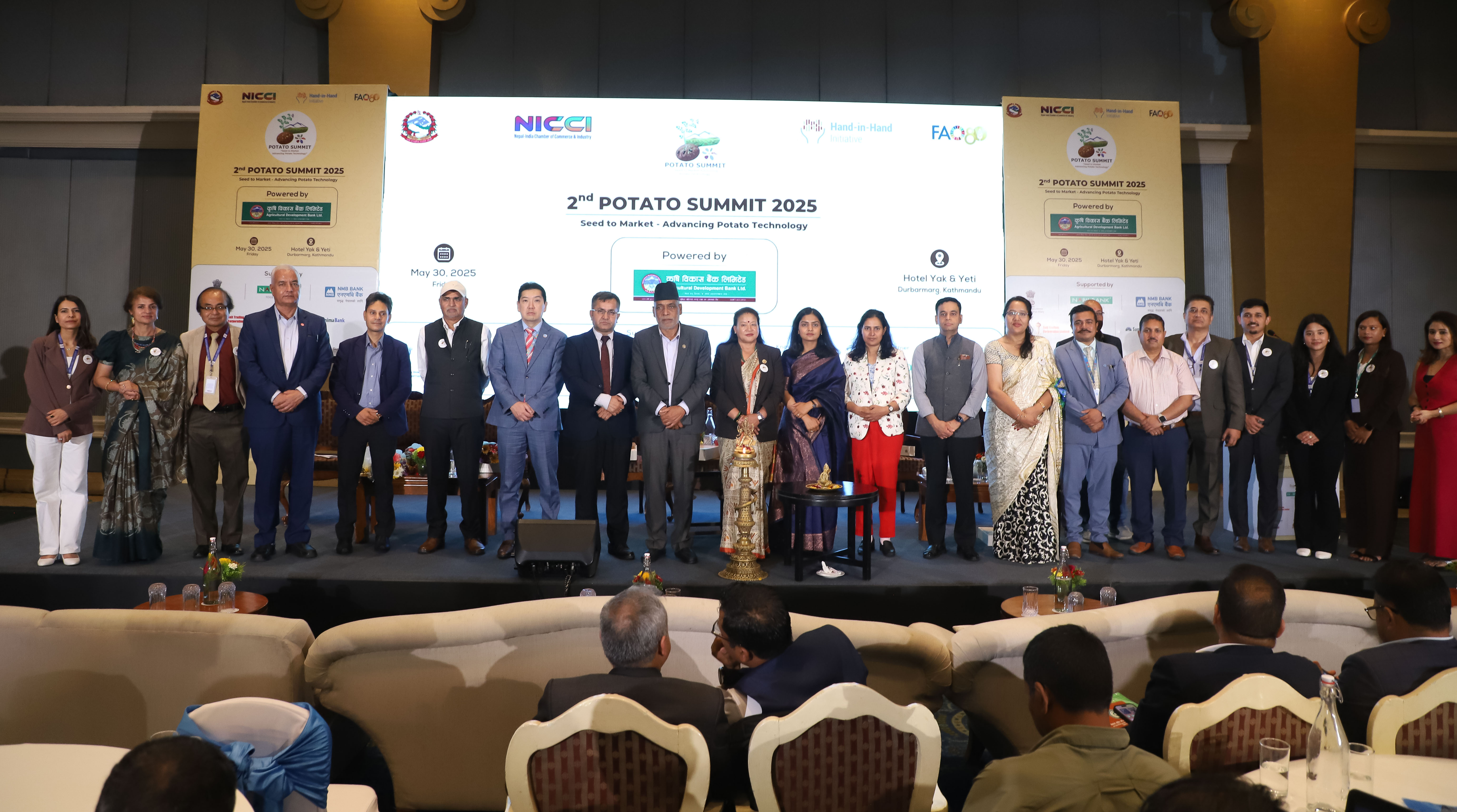
KATHMANDU, May 30: Saturday marks the International Day of the Potato. The day is being observed in countries around the world under the theme "Where Potatoes Grow, Livelihoods Thrive".
The observance was launched in 2024 at the initiative of the Food and Agriculture Organization (FAO) of the United Nations. This year marks the third celebration of the day, observed on May 30, 2026.
Desperate search for missing girls as nearly 80 dead in Texas f...

The day aims to promote sustainable and inclusive agri-food systems by recognizing everyone involved in the potato value chain, from farmers to distributors and consumers. The potato, scientifically known as Solanum tuberosum, is one of the world’s most important food crops and a staple in the diets of billions of people.
According to the FAO, potatoes are cultivated in 159 countries, with nearly 5,000 varieties grown worldwide. The crop has been linked to human civilization for around 8,000 years and continues to play a vital role in ensuring food security and supporting livelihoods.
Grown in a wide range of agricultural systems—from high mountain regions to fertile plains—potatoes contribute significantly to food security and nutrition. Their production also creates employment opportunities in both rural and urban areas, helping to reduce poverty.
From smallholder farmers to large commercial farms, potato cultivation supports economic activity across continents. The crop remains a key source of income for millions of farming households around the world.
The annual observance also builds on the achievements of the International Year of the Potato 2008, further highlighting the crop’s global importance.
Special recognition is being given to small family farmers, many of whom are women, for their role in conserving and promoting diverse potato varieties. The day also celebrates the rich cultural and culinary traditions associated with potatoes across different regions of the world.
The United Nations has emphasized that crops such as potatoes can play an important role in developing sustainable agricultural systems capable of addressing growing challenges, including hunger, poverty, and climate change.