-1200x560-1779899638.webp)
KATHMADU, May 27: The National Human Rights Commission (NHRC) has recommended further investigation into 49 political leaders, campaigners, influencers, and public figures over their alleged roles and public activities linked to the Gen Z protests.
In its investigation report, the NHRC stated that statements, mobilization efforts, and public conduct by several individuals during the protests may have influenced the nature and escalation of demonstrations, warranting additional scrutiny.
The list includes leaders and lawmakers associated with the Rastriya Swatantra Party, including Ganesh Karki, Sulav Kharel, Bablu Gupta, Dr Toshima Karki, Manish Jha, and Hari Dhakal.
The NHRC has also named several high-profile public personalities and content creators, including Sisan Baniya, Nischal Basnet, Rabi Kiran Hamal, Bhagya Neupane, Durga Prasai, and Himani Rajya Laxmi Shah.
According to the report, the NHRC believes further investigation is necessary to determine the direct or indirect involvement of these individuals, the impact of their public expressions, and their possible connection to incidents that occurred during the protests.
NHRC urges govt to end torture in custody and prisons

The NHRC emphasized that the recommendation for further investigation does not in itself establish criminal liability, but calls for a detailed examination of activities and influence exercised during the movement.
The full list of those recommended for further investigation by the NHRC includes Ganesh Karki, Sulabh Kharel, Bablu Gupta, Rakshya Bam, Krishna Karki, Dr Toshima Karki, Rajiv Khatri, Sham Sharma, KP Khanal, Deepak Bohora, Manish Jha, Jwala Sangroula, Hemraj Thapa, Purushottam Yadav, Ashika Tamang, Bimal Pant, Shobh Sharma, Bibek Thapaliya, Sisan Baniya, Asimman Basnet, Bhagya Neupane, Tank Dahal, Victor Poudel, Ankit Malla, Umesh Bohara, Shiva Yadav, Binod Devkota, Saru Sunuwar, Bhim Upadhyaya, Ravi Kiran Hamal, Hari Dhakal, Nischal Basnet, Sushila Karki, Om Prakash Aryal, Gauri Bahadur Karki, Pashupati Khadka, Durga Prasai, Ujjwal Baral, Jerry Tamrakar, Hemsagar Bidrohi, Buddha Chhiring, Santosh Rajabadi, Amit Khanal, Deepak Devkota, Gaurav Baral, Himani Rajya Laxmi Singh, Nishan Mainali, Khemraj Saud, and Aman Pratap Adhikari.
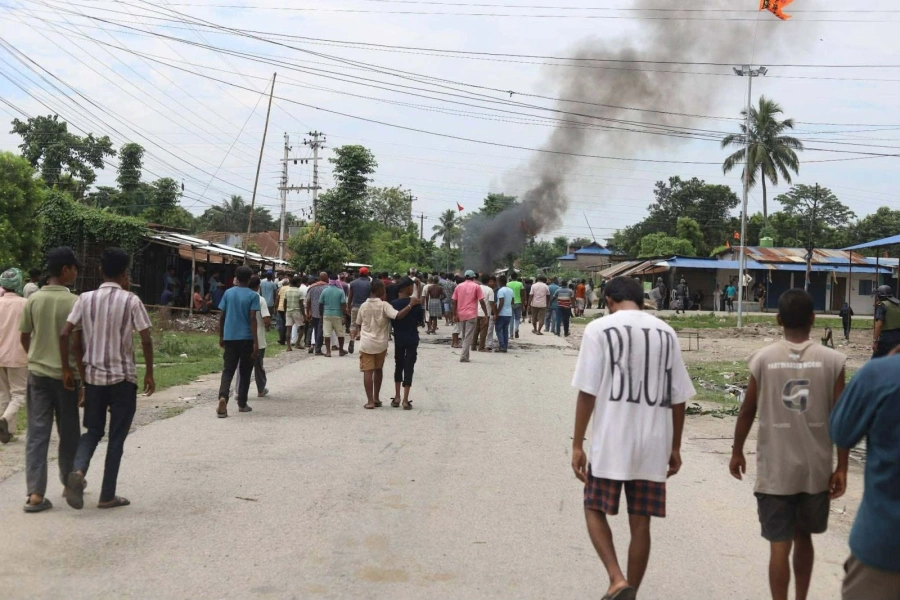
A total of 76 people were killed during the two-day protests on September 8 and 9 last year triggered by the then government’s social media ban. After security forces resorted to excessive use of force, the peaceful protest turned violent forcing the then Prime Minister KP Sharma Oli to flee on a helicopter. The movement left major government buildings including the administrative centre Singha Durbar as well as the prime minister’s residence, president’s office, parliament building, Supreme Court and police offices across the country razed to ashes.
According to government estimates, public bodies, institutions, private establishments, and individuals sustained property damage worth Rs 84.45 billion. Of the total, the public sector accounted for Rs 44.93 billion losses, while the private sector incurred losses of Rs 33.54 billion. The community and other sectors suffered damage amounting to Rs 5.97 billion, according to the National Planning Commission report.
Although the interim government formed in the wake of the violent protest formed a commission led by former judge Gauri Bahadur Karki to probe the incident, the government is yet to release the report prepared by the commission.
However, a leaked report of the probe commission found that security forces used excessive force during the protests and failures in political and administrative leadership worsened the crisis. The commission has recommended disciplinary action against ousted Prime Minister KP Sharma Oli, the then Home Minister Ramesh Lekhak and then Inspector General of Nepal Police Chandra Kuber Khapung as well as several senior officials of Nepal Police and Armed Police Force.
The Commission has courted controversy for investigating the incidents of only September 8 while remaining silent on the massacre on September 9.