KATHMANDU, March 15: A new government is expected to be formed within a week, but there is still no confirmed official residence for the incoming ministers.
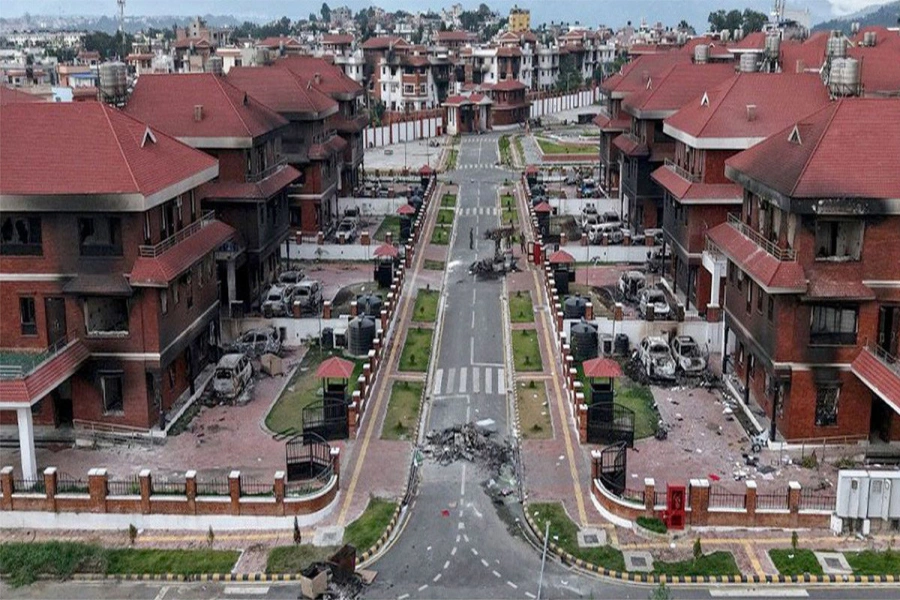
The new ministerial quarters in Bhaisepati remain unusable after being damaged in a fire during the Gen Z protests on September 8 and 9, 2024. The old ministerial residences in Pulchok are now occupied by Supreme Court judges.
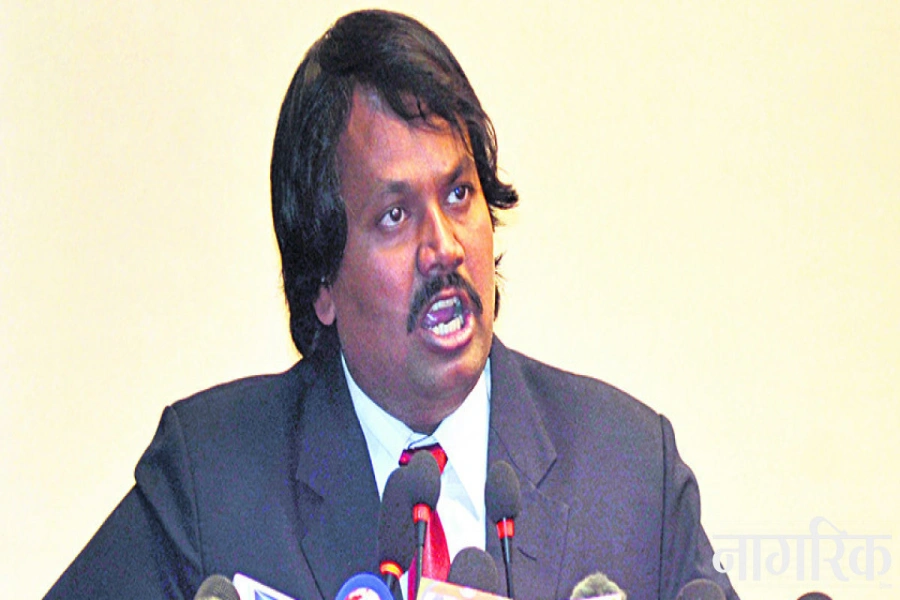
Narayan Mainali, spokesperson for the Ministry of Urban Development, said no arrangement has yet been finalized for the new ministers. He said the government is in no position to provide official housing right away and that renting private houses appears to be the only practical option.
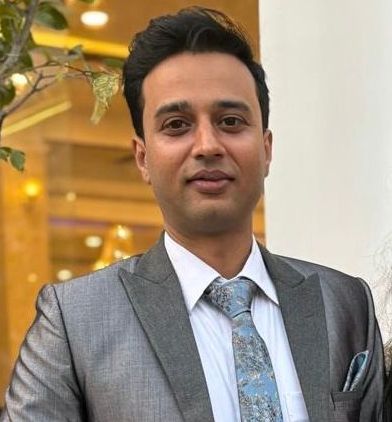
Of the 27 residential blocks built for ministers in Bhaisepati, only one is currently fit for use. Physical Infrastructure and Transport Minister Madhav Chaulagain is living there at present. Other ministers have been staying in rented houses.
SC justices begin moving to state-owned residences in Pulchowk

A senior ministry official said one option could be to allow ministers who already own homes in Kathmandu to stay in their own houses while receiving the same facilities and security provided to ministers. Another option is to continue the current practice of renting private houses for them.
The official said the government is in no position to provide immediate official accommodation to the ministers of the next cabinet.
The government is now preparing to rebuild the damaged Bhaisepati residences at a cost of around Rs 110 million so that new ministers can be housed there after a few months. The Federal Secretariat Construction and Management Office under the Ministry of Urban Development has already completed the damage assessment.
According to an official at the office, the reconstruction process has already begun. The estimated cost is around Rs 110 million. Of that, around Rs 6 million is expected to have been spent on the detailed project report, damage assessment, and consultancy work.
Officials said blocks that suffered major fire damage will take longer to rebuild, while those with lighter damage will be repaired as quickly as possible. Of the 27 blocks, only one sustained limited damage. That block had earlier been occupied by then Defense Minister Manbir Rai. All the other blocks require reconstruction before they can be used again.
The Bhaisepati residences are currently being guarded by Nepal Police. The Nepal Army had initially handled security.
Ministers in the KP Sharma Oli-led government had begun moving into the Bhaisepati residences from the first week of June 2024, and by September 2024 all ministers of the then government had relocated there.
The government had signed a contract with KC Samantar JV in November 2019 to build the residences, with the work originally meant to be completed within two years. Repeated deadline extensions delayed the project.
For the first phase alone, the government had allocated Rs 1.03468 billion. Budget allocations continued every year, and the total cost of the full project reached around Rs 3 billion.
A total of 27 separate buildings were constructed in Bhaisepati for federal ministers, the chair and vice chair of the National Assembly, and the deputy speaker of the House of Representatives.
The ministerial housing complex in Bhaisepati covers 96 ropanis and 10 aanas of land. Each building occupies about seven annas of land. According to the Special Building Project under the Ministry of Urban Development, the complex includes a gym hall, a swimming pool, a community building, a grocery shop, and living quarters for security personnel.
Each building also has a yoga room on the top floor. The ground floor includes a visitor waiting room, meeting room, private room, and office for the personal secretary.
The second floor was designed for residential use, and each building also has a prayer room. The residences were built to reflect Nepali art, culture, and tradition.
The government built the new Bhaisepati complex because the old ministerial residences in Pulchok were too cramped.


_20230226123652.jpg)