KATHMANDU, May 25: Private sector investment in Nepal’s education sector has increased significantly in recent years, particularly in schools (from kindergarten to grade 12), medical education, engineering, nursing, management and foreign degree programmes.
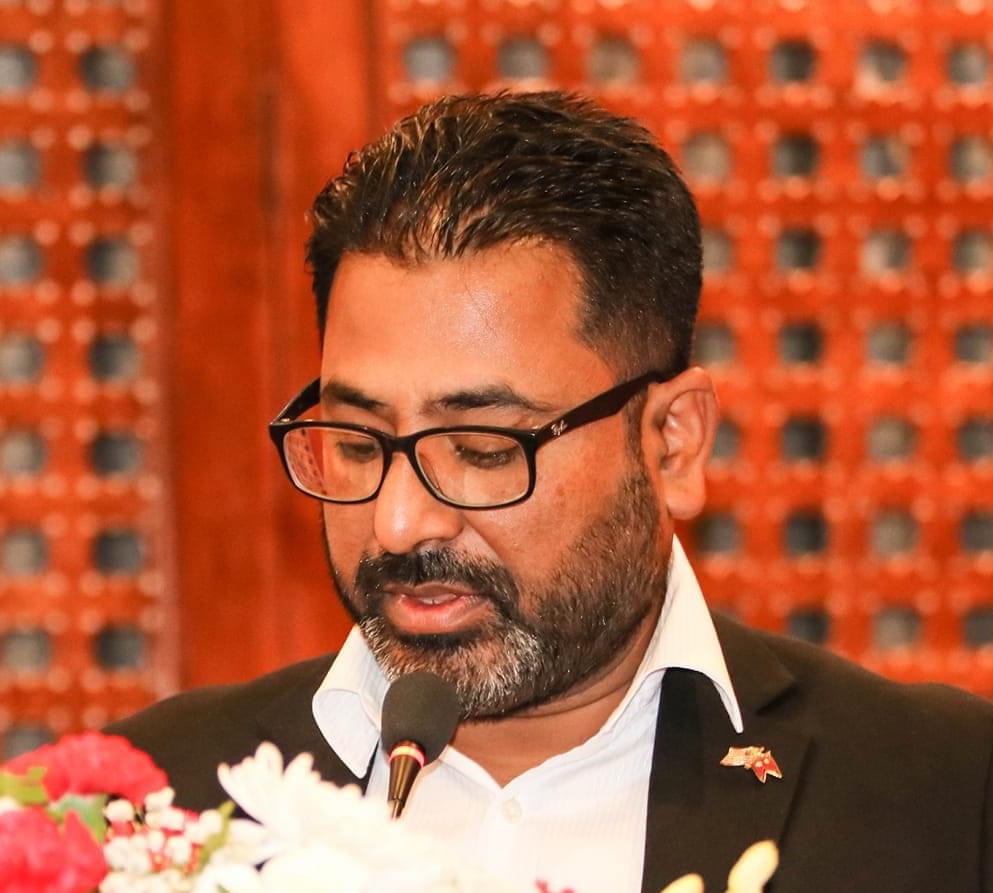
According to Higher Institutions and Secondary Schools’ Association Nepal (HISSAN) Chairperson and Himalayan WhiteHouse College operator Yuvraj Sharma, private sector investment in Nepal’s education sector has now reached Rs 700 billion. He said private educational institutions currently provide employment to around 300,000 people, including teachers and staff.
Likewise, around two million students are studying in private institutions ranging from schools to universities. Sharma said investors are seeking assurance from the government regarding investment security. “Private educational institutions contribute 5 percent to Nepal’s GDP,” Sharma said, adding, “Education is service-oriented. Investments made by both the private and public sectors are service-oriented. The government must now clearly define its position on private sector investment in education through policies and laws.”
He stated that investors have become increasingly fearful due to the government’s changing stance toward private investment in education. “There is massive private investment in education in cities such as Kathmandu, Pokhara, Biratnagar, Chitwan, Butwal and Birgunj. Around Rs 700 billion has been invested in education. Huge capital is spent on buildings, transport services, digital classrooms, labs and hostels,” Sharma said. “Despite rising private investment, disputes over fees charged by institutions, policy uncertainty, lack of quality assessment and disparity in standards have left investors feeling insecure. The state must guarantee the protection of private investment in education.”
Lack of investment-friendly laws raises concerns as Investment...

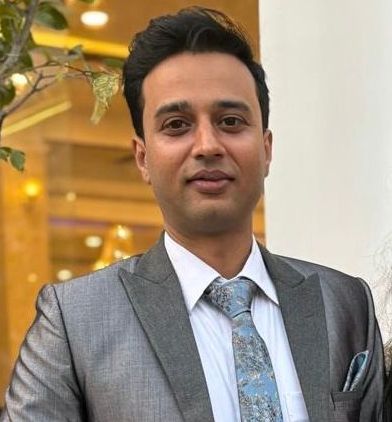
Similarly, GoldenGate College Chairperson Ramesh Silwal said both public and private sectors have equally contributed to education, and the state should formulate policies guaranteeing the security of private investment. There are currently 27,000 government-run schools across the country and more than 8,000 private schools. Around 3,000 private schools operate classes up to grade 12.
“Both the government and private sectors have contributed equally to education. However, comparatively better quality is found in private institutions,” Silwal said. “Private institutions have accomplished what the government could not. Therefore, institutions run through private and public investment are complementary to each other.”
According to him, the ruling Rastriya Swatantra Party had also stated in its election manifesto that privately-run institutions have delivered quality education and that public and private educational institutions complement one another. “Therefore, the government should regulate and encourage private institutions by ensuring a secure environment for their operation,” he said.
However, some private educational institutions have also faced allegations of being commercially driven rather than quality-oriented. Parents have frequently complained about high fees charged by private institutions. At the same time, operators of such institutions have expressed dissatisfaction whenever the government attempts to regulate fees. Private educational institutions have not only provided education but also created employment opportunities.
According to PABSON Chairperson Krishna Adhikari, education run through private investment has now become one of the country’s largest service industries. “Private schools have created employment and expanded access to education,” Adhikari said. “But the government has discouraged private investors in education. The government must now acknowledge the contribution made by private investors and guarantee the security of their investment. Private institutions should be allowed to operate smoothly under proper monitoring and regulation.”
According to HISSAN Chair Sharma, private educational institutions in Nepal are currently focusing more on science, technology, engineering and mathematics (STEM) education, skill-based education, foreign-affiliated programmes, digital learning and test preparation classes in response to market demand.
“The government’s policies and programmes include plans to expand high-speed internet, digital content and AI-based learning systems in 10,000 public schools,” Sharma said. “The policies and programmes also mention making private educational institutions service-oriented. But the private sector is still waiting for clarity from the state on what exactly that means.”